
V12
4 more Lamborghini Aventador SVJ sounds and Drive mode are in the free app.
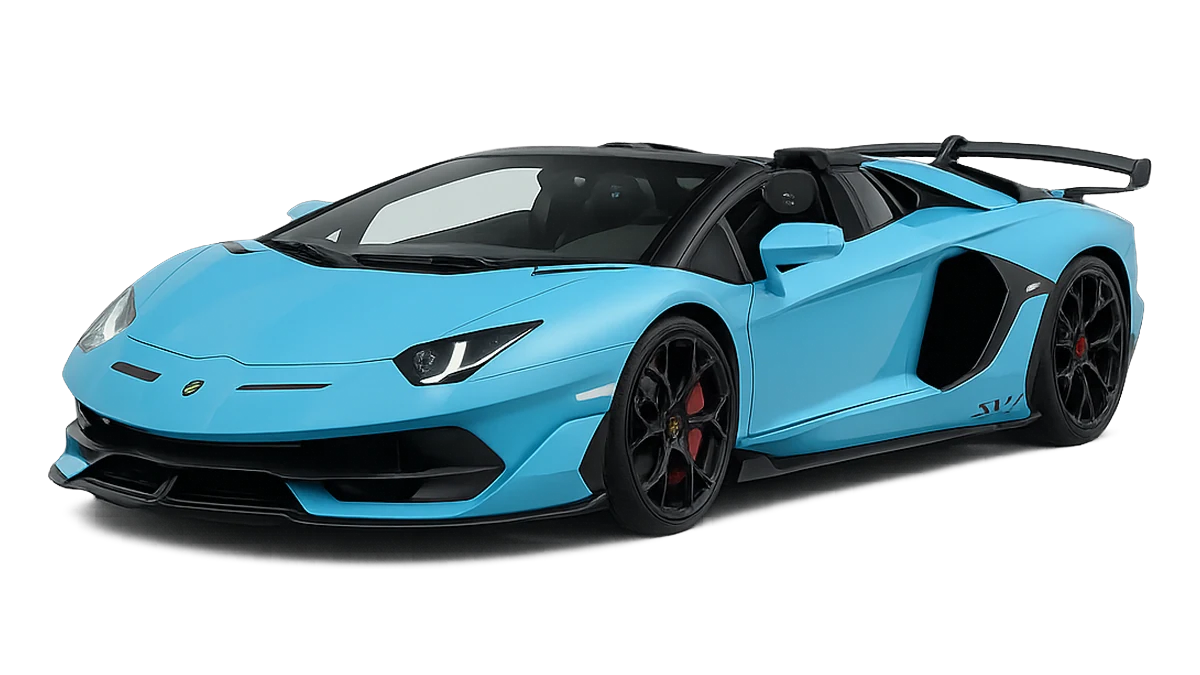
Unlock all sounds freeThe Lamborghini Aventador SVJ sounds loud, harsh and mechanical because its 6.5-liter naturally aspirated V12 revs to 8,700 rpm and exits through a short, high-mounted exhaust with little to soften it. Where a Ferrari V12 sounds polished, the SVJ sounds raw, and its single-clutch gearbox adds a crack and a lurch to every hard shift.
The L539 is a 60-degree V12, the layout that lets all twelve cylinders fire at even 60-degree intervals, six times per crank revolution. At the 8,700 rpm redline that is 870 firing pulses per second (the firing frequency shown above). The spacing is perfectly even, so the basic tone is a continuous howl, not a burble.
What makes the SVJ sound so different from smoother V12s is everything around that tone. The engine sits right behind the cabin, it uses titanium intake valves and makes its 759 hp at 8,500 rpm, and it breathes through an exhaust that leaves high at the back of the car. A lot of intake roar and mechanical noise comes through along with the exhaust note, which gives it a gritty, metallic edge.
Every Aventador uses a seven-speed automated manual with a single clutch, not a dual-clutch. In its sportier modes, hard upshifts are abrupt: the engine's torque is cut, the note breaks off, and the exhaust often cracks before the next gear bites and the howl resumes. The violence divides opinion, but it is a big part of why the car sounds the way it does on the move.
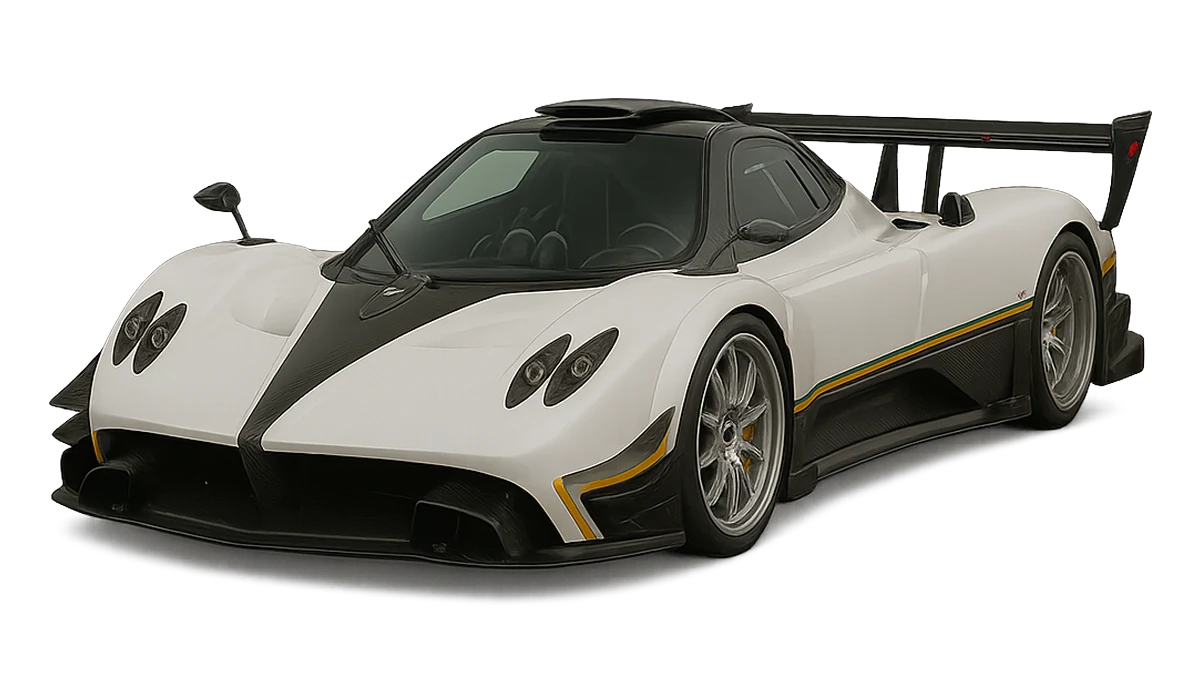
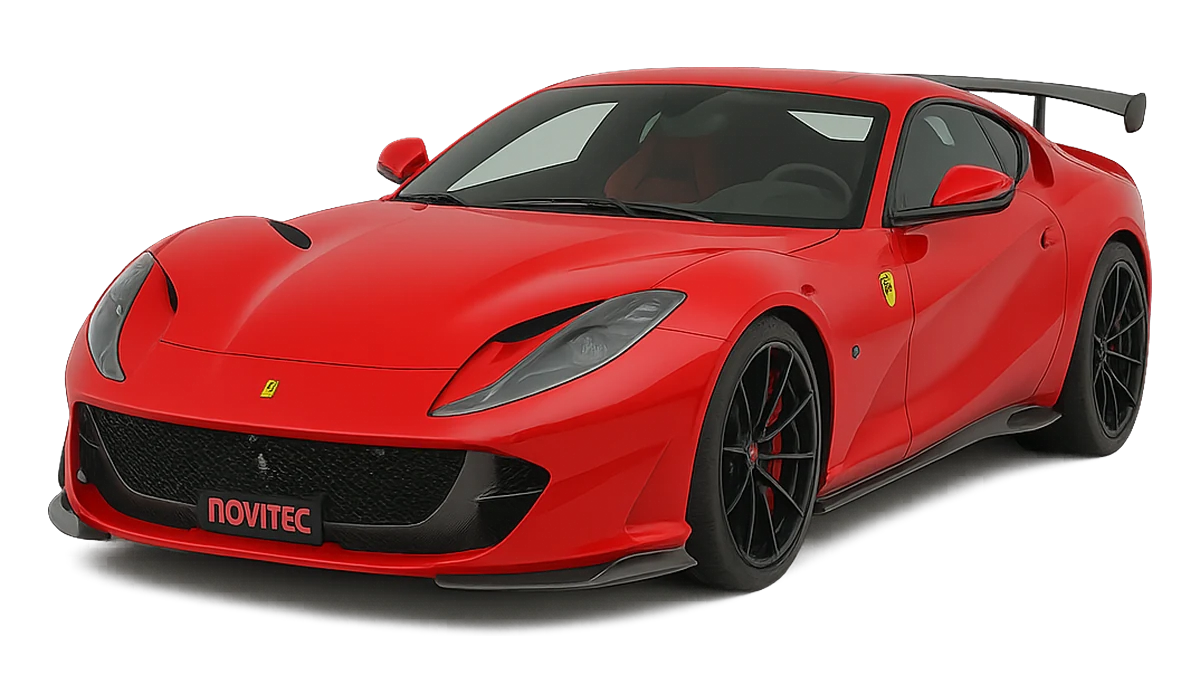
Next to the Ferrari 812 Superfast, which also has a 6.5-liter naturally aspirated V12, the SVJ is coarser and more aggressive, while the Ferrari is smoother and brighter at the top end. The Pagani Zonda R goes further in the raw direction, since it is a track-only car with a racing exhaust.
The SVJ is also one of the last Lamborghini flagships without electrification. Its replacement, the Revuelto, keeps a naturally aspirated V12 but adds hybrid assistance, so the purely combustion Aventador is now something of a reference point for the classic Lamborghini V12 sound.
A 6.5-liter naturally aspirated V12, known as the L539. In the SVJ it makes 759 hp (770 PS) at 8,500 rpm and revs to 8,700 rpm.
No. The Aventador never used turbochargers, which is why it keeps the sharp, high-rpm howl that turbocharged V12s lose.
Its single-clutch automated gearbox briefly cuts engine torque for each shift, and the exhaust often crackles during that cut. The effect is strongest in the sportier drive modes.
This sound is in the app