

V8
A V8 engine sound is either a lumpy, off-beat burble or a smooth, high-pitched wail, and which one you get depends mostly on the crankshaft. Cross-plane V8s, like the ones in a Mustang GT or a Corvette, fire each cylinder bank at uneven intervals; flat-plane V8s, like Ferrari's, McLaren's and the Shelby GT350's, fire each bank evenly. Here is how that works and what else shapes the sound.
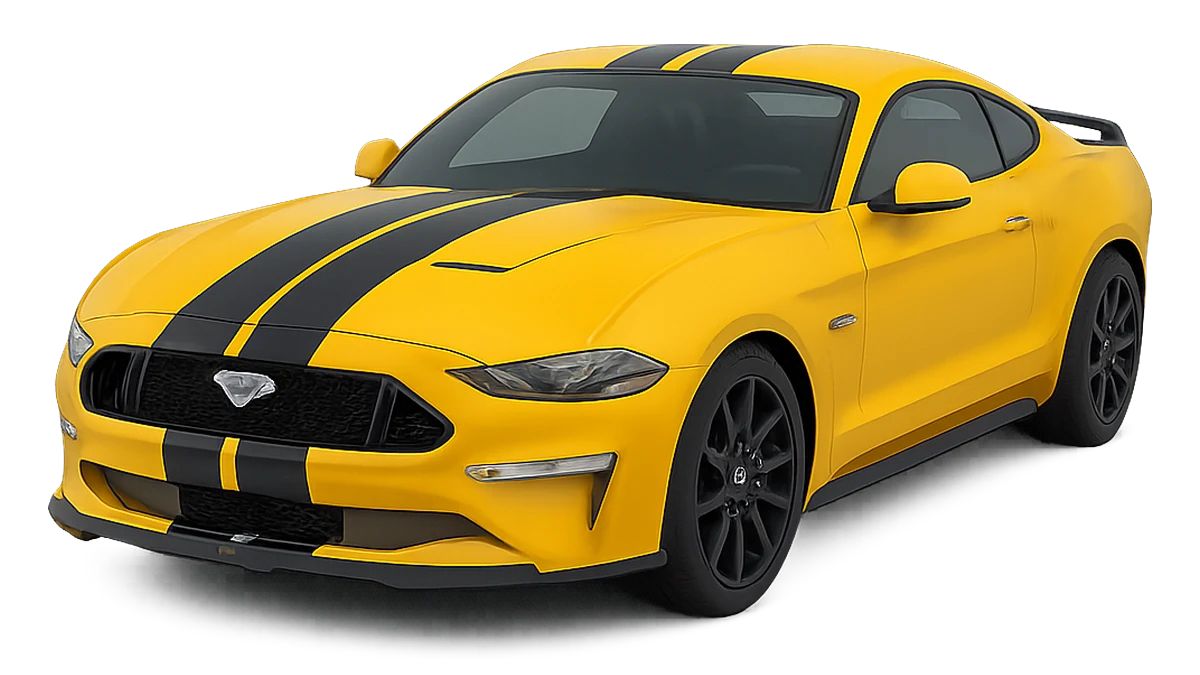
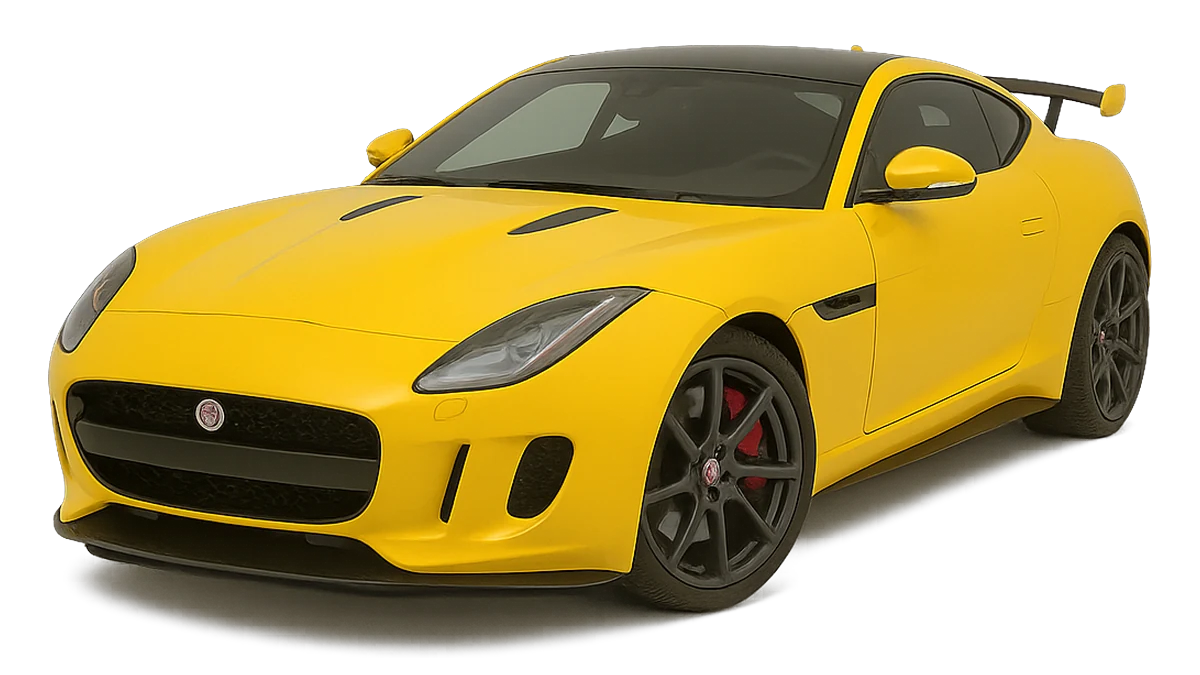
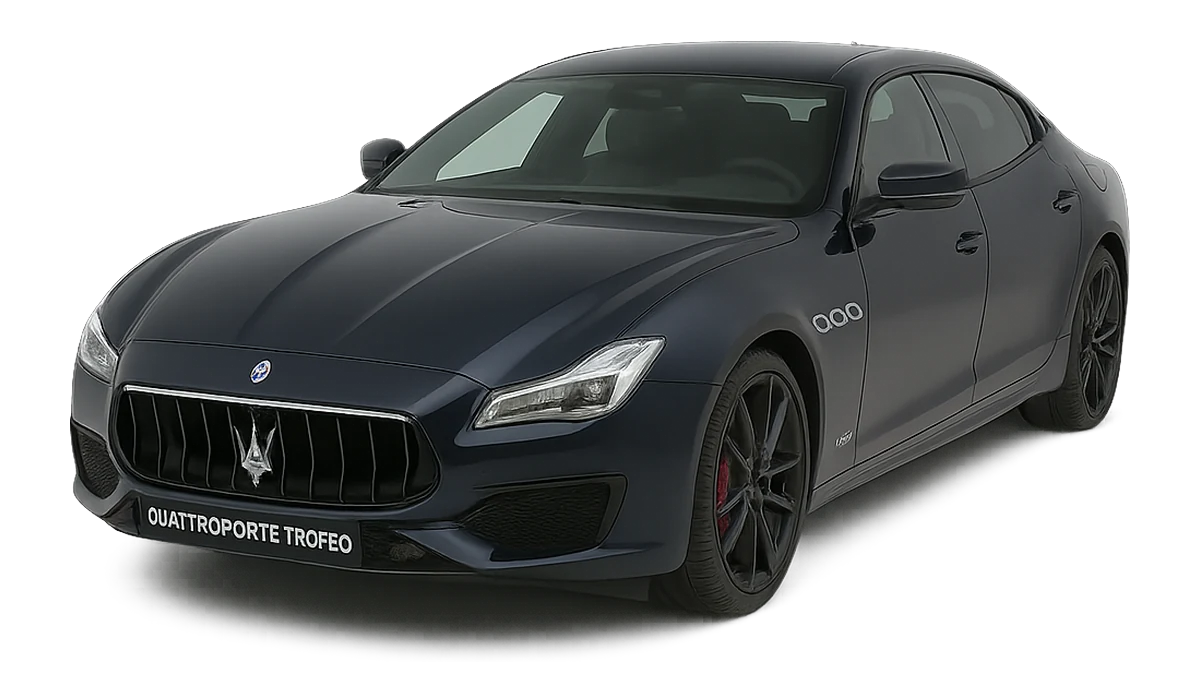
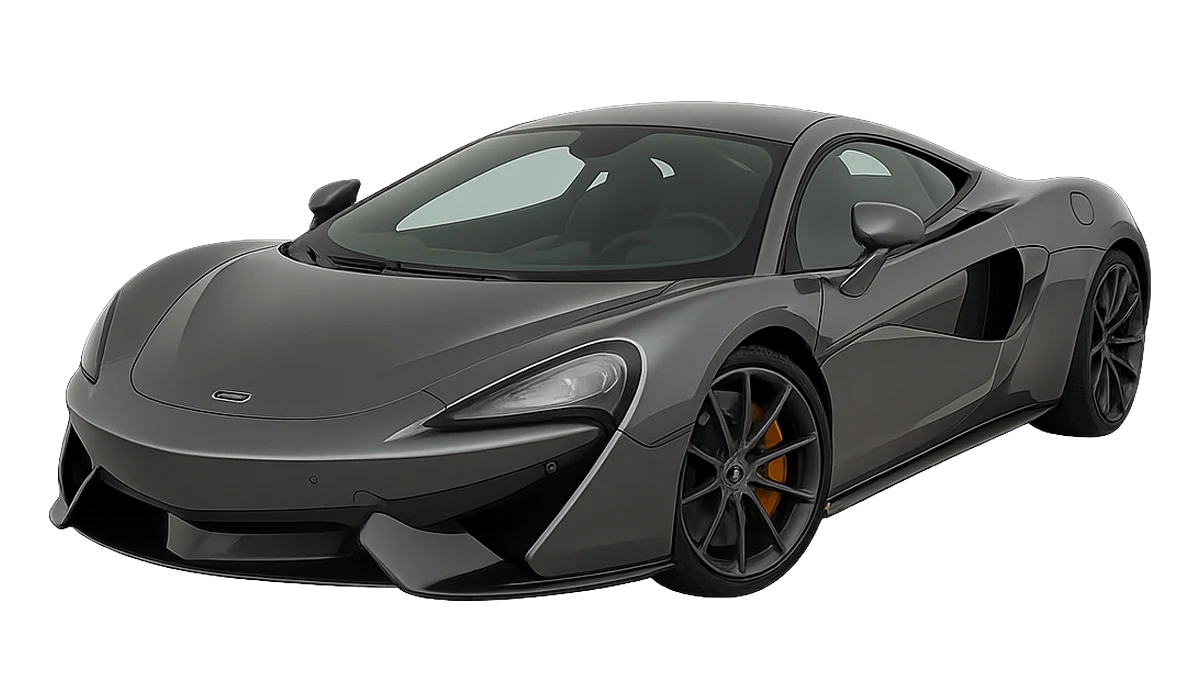


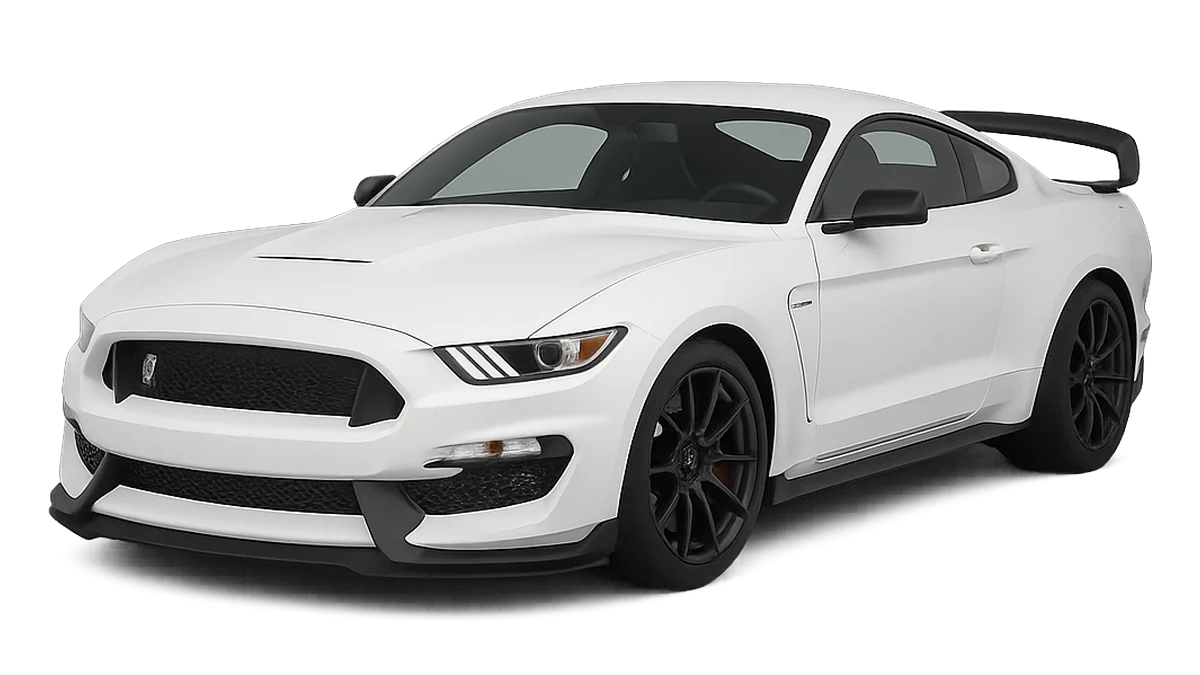
A four-stroke engine fires half its cylinders on every crank revolution, so a V8 fires four times per revolution. The firing frequency is rpm / 60 × 4: about 50 Hz at a 750 rpm idle, which you feel as much as hear, 400 Hz at 6,000 rpm, and 550 Hz at the Shelby GT350's 8,250 rpm redline. Each car page shows this number for that engine.
That frequency is identical for cross-plane and flat-plane V8s at the same rpm. What differs is the rhythm of pulses that reaches each exhaust pipe, and that rhythm is what your ear picks up as burble or wail.
In a cross-plane crank the four crankpins sit 90 degrees apart, so viewed from the end they form a cross. Heavy counterweights let this layout cancel almost all vibration, which is why it suits big, torquey engines. The catch is the firing order. With the common 1-8-4-3-6-5-7-2 order, the engine as a whole fires every 90 degrees, but each bank fires at intervals of 90, 180, 270 and 180 degrees.
Most V8s have a separate exhaust manifold for each bank, so each pipe receives an uneven pattern of pulses that only repeats every two revolutions. That pattern adds strong low-frequency content below the firing frequency, and the ear hears it as the classic lope or burble. H-pipes and X-pipes, which let the two banks mix, smooth the pattern out and make the note cleaner.
A flat-plane crank puts all four crankpins in one plane, 180 degrees apart, so the engine behaves like two inline-fours sharing a crank. Each bank fires every 180 degrees and the banks take turns. Every exhaust pipe gets an evenly spaced train of pulses, so the off-beat low-frequency content disappears and the sound is dominated by the firing frequency and its harmonics: harder, cleaner and more like a racing engine.
Without big counterweights the crank is lighter, so these engines rev quicker and higher, which pushes the pitch up further. The trade-off is a second-order vibration that the layout cannot cancel, so flat-plane V8s tend to have modest displacement and high redlines. Ferrari and McLaren V8s, the GT350's 5.2-liter Voodoo and the C8 Corvette Z06 all use one.
A turbocharger sits in the exhaust path and its turbine absorbs a lot of pulse energy, so twin-turbo V8s such as Mercedes-AMG's 4.0-liter and McLaren's 3.8-liter sound more muted than naturally aspirated ones and lean on valved exhausts for volume. A supercharger, as on the C7 Corvette Z06 and the V8 Jaguar F-Type, sits on the intake side and adds a whine on top of an unchanged exhaust note.
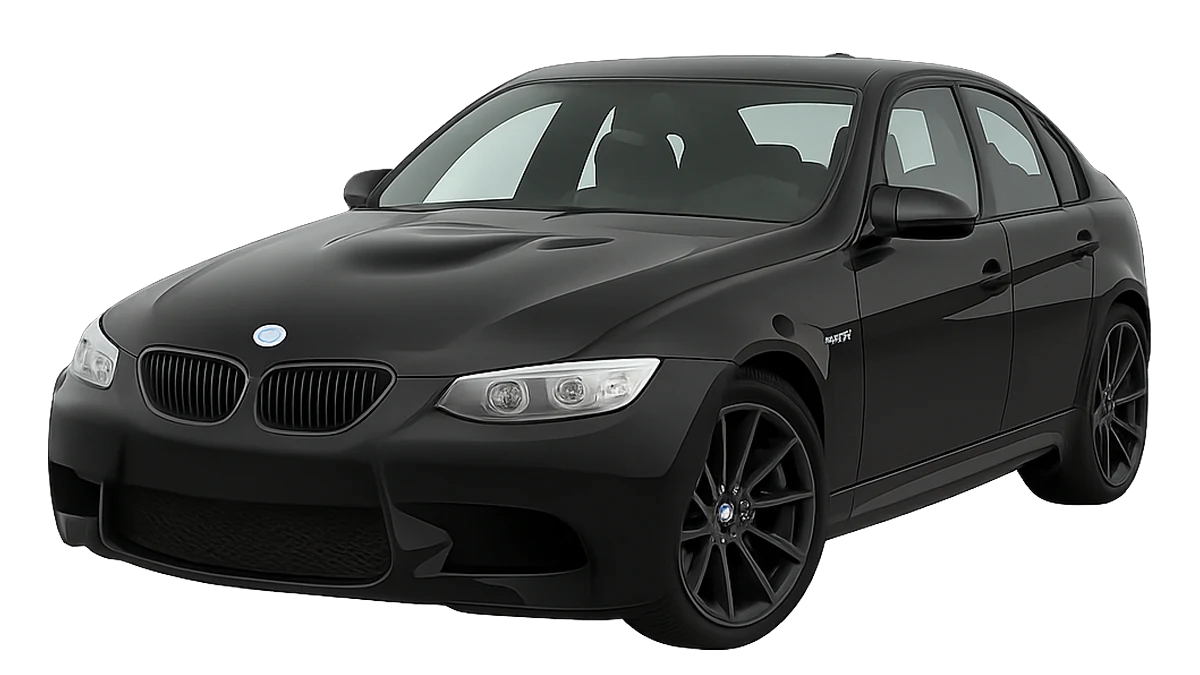
Crank type is not the whole story. BMW's S65 in the E90 M3 is a cross-plane V8, but it revs to 8,400 rpm and breathes through eight individual throttle bodies, so it sounds far sharper than a typical muscle-car V8.
| Car | Engine | Redline | Hz at redline |
|---|---|---|---|
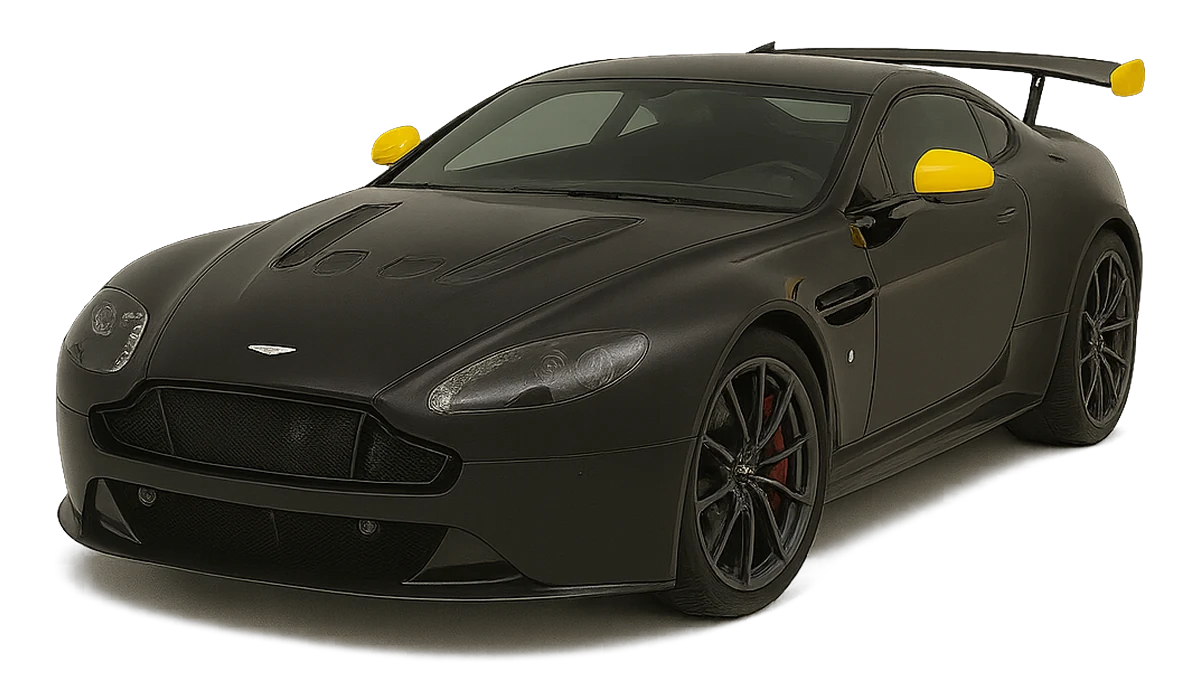
| Aston Martin V8 Vantage | 4.7 L, Naturally aspirated | ≈ 7,300 rpm | ≈ 487 |
| BMW M3 E90 | 4.0 L, Naturally aspirated | 8,400 rpm | 560 |
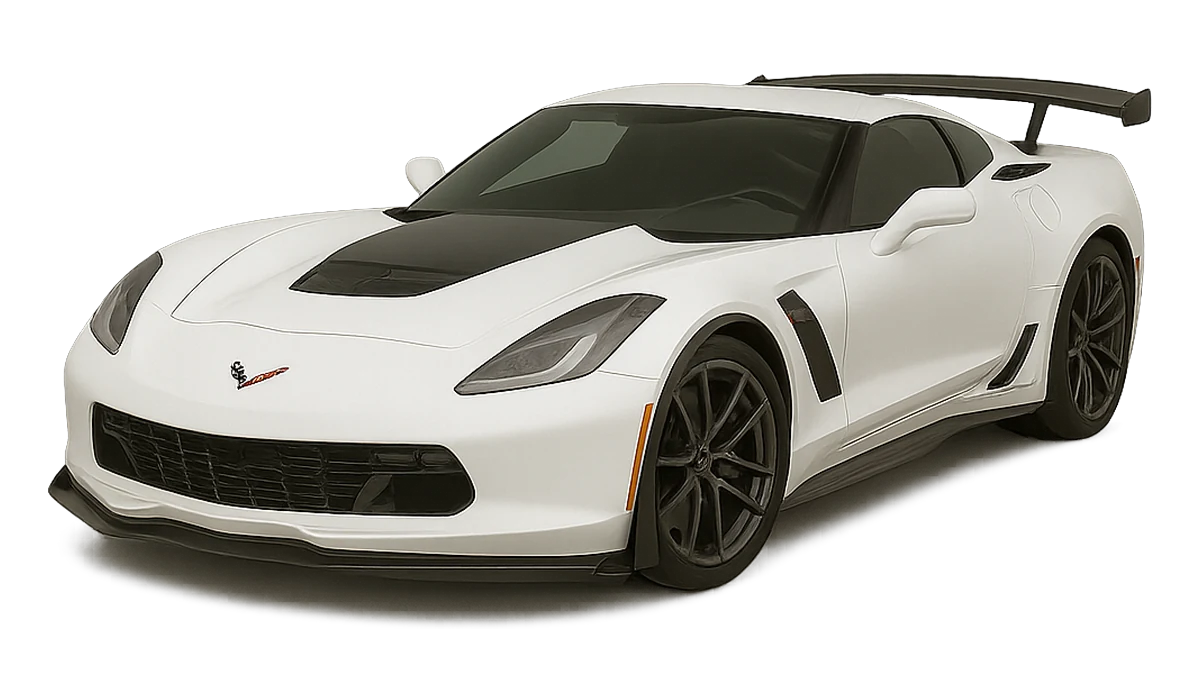
| Chevrolet Corvette Z06 (C7) | 6.2 L, Supercharged | 6,500 rpm | 433 |
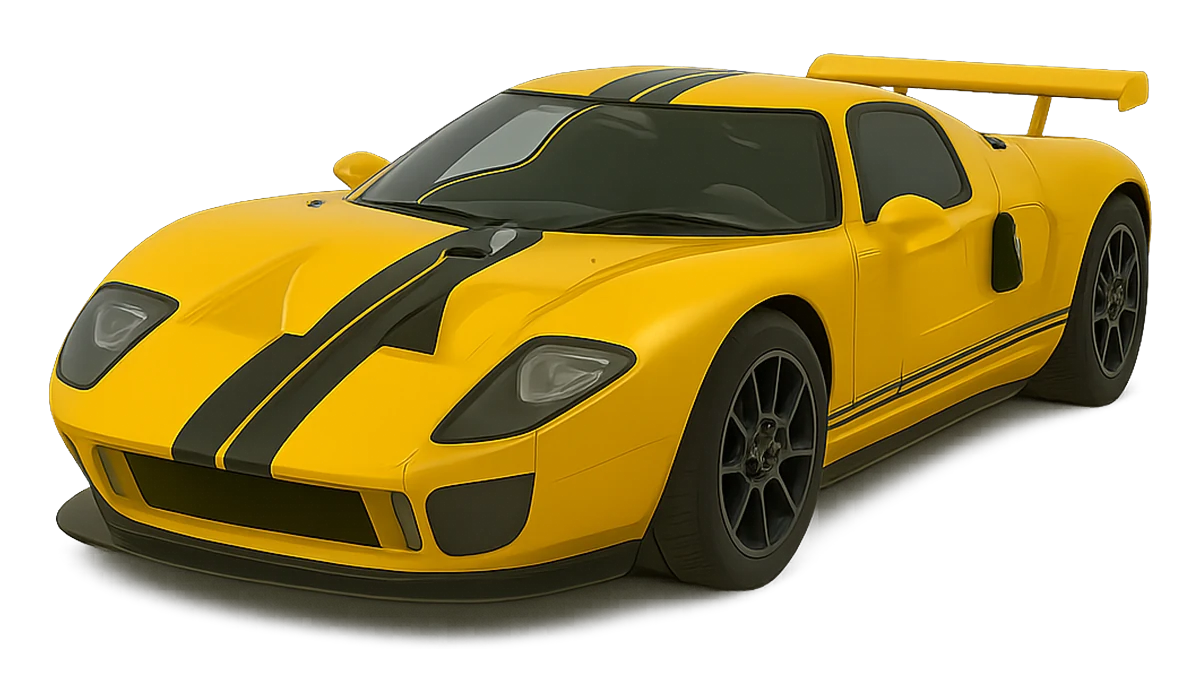
| Ford GT (2005) | 5.4 L, Supercharged | ≈ 6,500 rpm | ≈ 433 |
| Ford Mustang GT | 5.0 L, Naturally aspirated | 7,500 rpm | 500 |
| Jaguar F-Type (V8) | 5.0 L, Supercharged | ≈ 7,000 rpm | ≈ 467 |
| Maserati Quattroporte Trofeo | 3.8 L, Twin-turbo | ≈ 7,200 rpm | ≈ 480 |
| McLaren 570GT | 3.8 L, Twin-turbo | 8,500 rpm | 567 |
| Mercedes-AMG G 63 | 4.0 L, Twin-turbo | ≈ 6,500 rpm | ≈ 433 |
| Mercedes-AMG GT C Roadster | 4.0 L, Twin-turbo | 7,000 rpm | 467 |
| Shelby Mustang GT350 | 5.2 L, Naturally aspirated | 8,250 rpm | 550 |
Mostly because of the cross-plane crank, which makes each bank fire unevenly. Few other common engines have that uneven per-bank rhythm, and the large cylinders make each pulse strong at low rpm.
Yes. Its 5.2-liter Voodoo V8 uses a flat-plane crank and revs to 8,250 rpm. The regular Mustang GT's 5.0-liter Coyote is a cross-plane V8, which is why the two sound so different.
Partly. So-called 180-degree headers pair cylinders across the two banks so each collector receives evenly spaced pulses; the 'bundle of snakes' headers on racing Ford GT40s are the famous example. They are hard to package, so most cars use X-pipes, which smooth the burble without removing it.
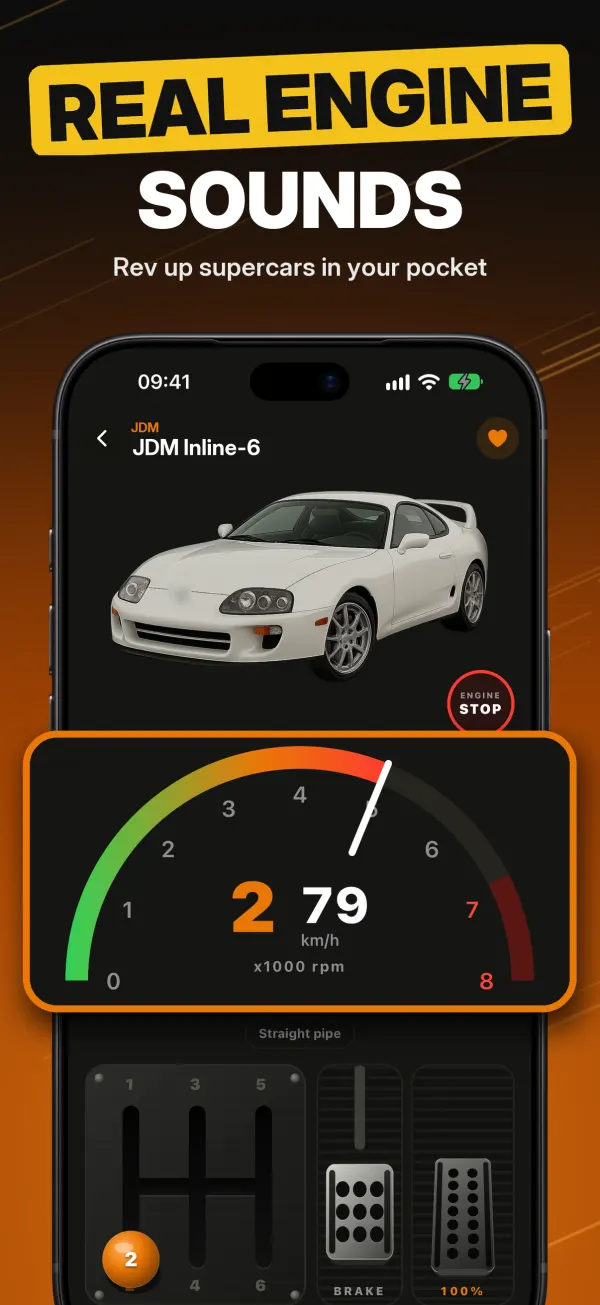
This sound is in the app