
Flat plane vs cross plane V8
The difference between a flat-plane and a cross-plane V8 is the angle between the crankpins, and it changes the sound because it decides whether each cylinder bank fires evenly or unevenly. A cross-plane V8 fires each bank unevenly, which creates the classic burble; a flat-plane V8 fires each bank evenly, which creates a cleaner, higher wail. Both fire four times per revolution overall.
Updated 2026-10-19
The crank: one plane or two
A V8 crank has four crankpins, each shared by two cylinders, one from each bank. In a flat-plane crank all four pins lie in a single plane, 180 degrees apart, the same as an inline-four's crank. In a cross-plane crank the pins are 90 degrees apart, so looking down the crank from one end they form a cross. That is where the names come from.
Both layouts fire one cylinder every 90 degrees of crank rotation. The firing frequency, rpm / 60 × 4, is identical for both at the same rpm. What changes is the order in which each bank gets its turn.
How each bank fires
In a flat-plane V8 the firing alternates strictly between the banks: left, right, left, right. Each bank fires every 180 degrees, exactly like a four-cylinder engine, and the two banks interleave.
In a cross-plane V8 that strict alternation is impossible. With the common 1-8-4-3-6-5-7-2 firing order, each bank sometimes fires twice in a row. Within one bank, the gaps between firings are 90, 180, 270 and 180 degrees, so each bank on its own runs like an uneven-firing four-cylinder.
Why that changes the sound
Most V8s have a separate exhaust manifold for each bank, so each pipe hears its own bank's rhythm. In a cross-plane, that rhythm is uneven and only repeats every two revolutions, which adds strong low-frequency content below the firing frequency. Your ear hears it as lope, burble or rumble, the sound of a Mustang GT or Corvette at idle.
In a flat-plane, each pipe gets a perfectly regular stream of pulses, so the sound is dominated by the firing frequency and its harmonics. There is no lope, and the note is harder and cleaner. Flat-plane V8s also tend to rev higher, so they are pitched higher. That combination is why they sound exotic and race-like, and why some listeners describe them as sounding like two four-cylinders at once.
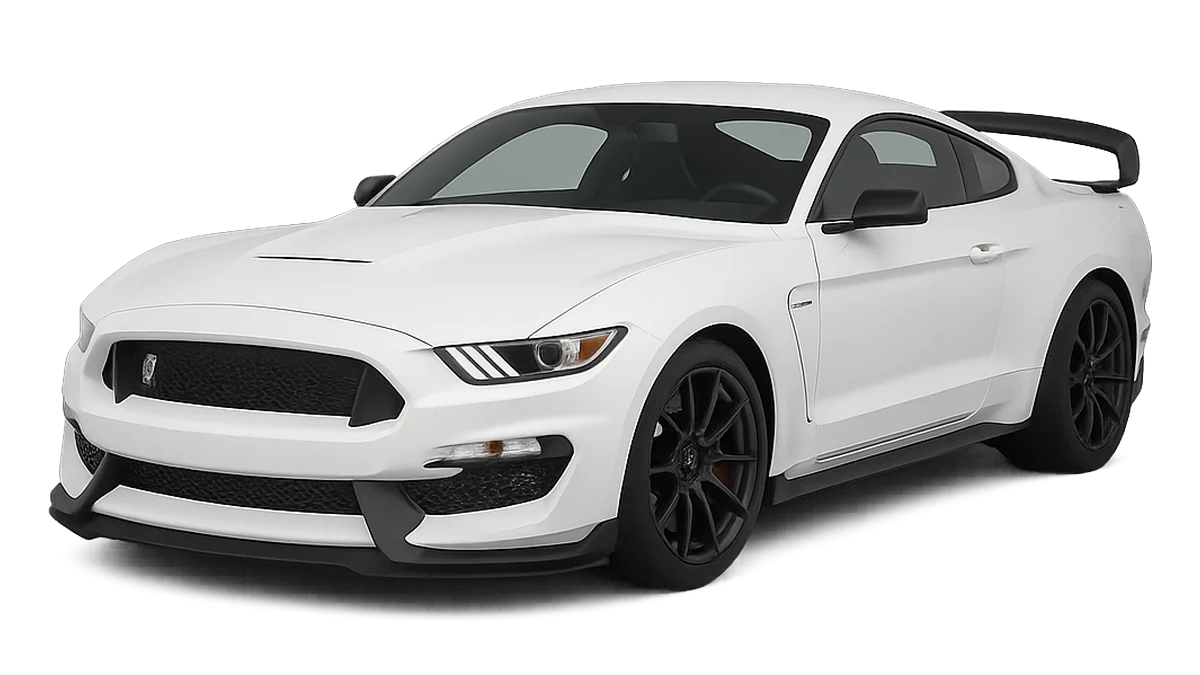
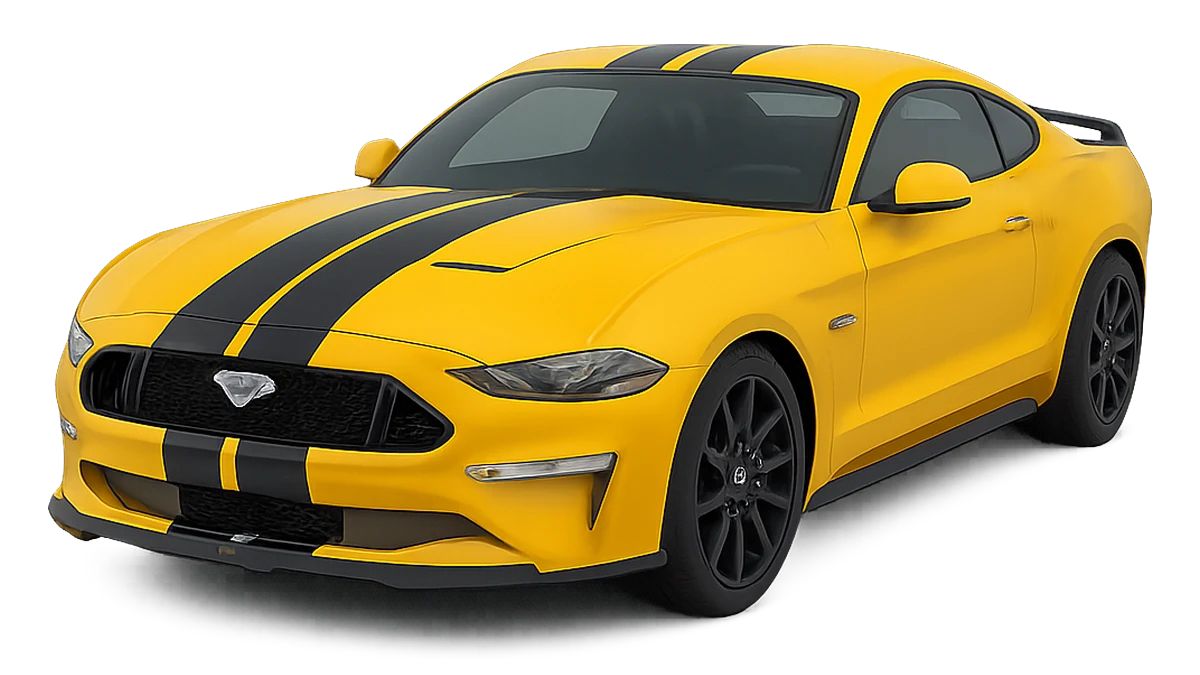
The Shelby GT350 and Mustang GT are the best side-by-side comparison: both are Ford V8s from the same engine family, but the GT350's 5.2-liter Voodoo uses a flat-plane crank and revs to 8,250 rpm, while the Mustang GT's 5.0-liter Coyote is a cross-plane.
Vibration, weight and revs
The cross-plane crank exists because it is smooth. With heavy counterweights it cancels both primary and secondary vibration, which makes it ideal for big, torquey engines. The cost is a heavy, high-inertia crank that is slower to rev.
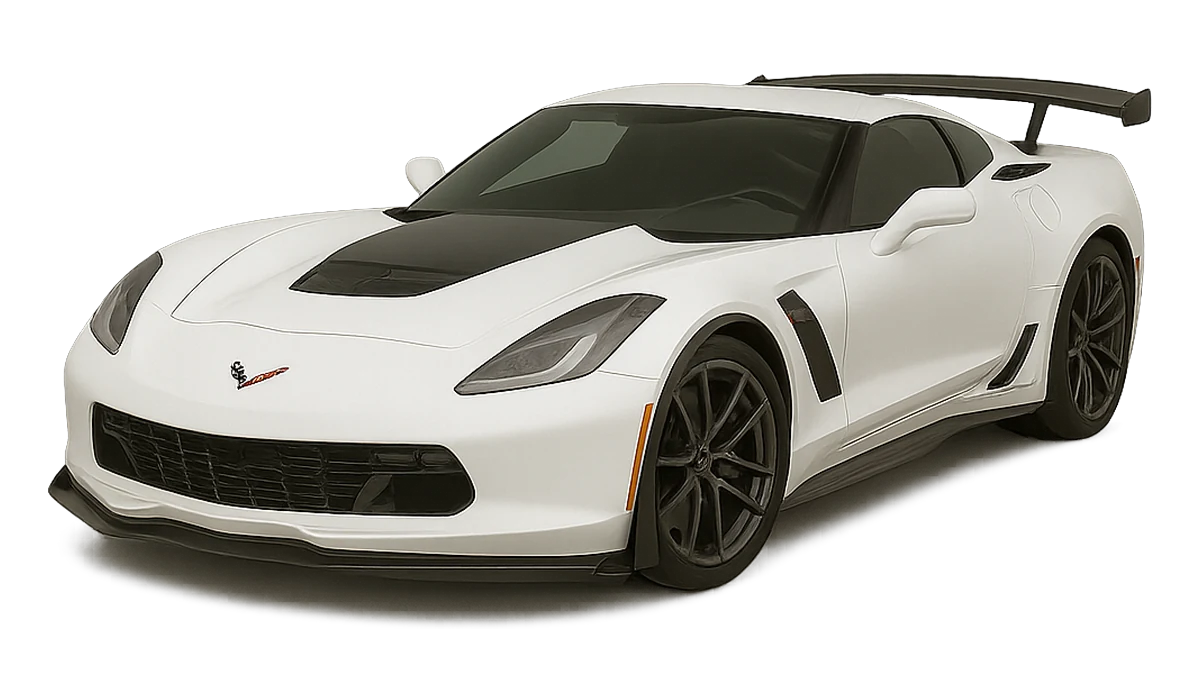
A flat-plane crank needs much less counterweight, so it is lighter and spins up faster. But like an inline-four it leaves a secondary vibration uncancelled, which grows with displacement per cylinder. That is why flat-plane V8s are usually high-revving engines of moderate size, as in Ferrari and McLaren V8s, the GT350 and the C8 Corvette Z06.
Turbos, superchargers and exceptions
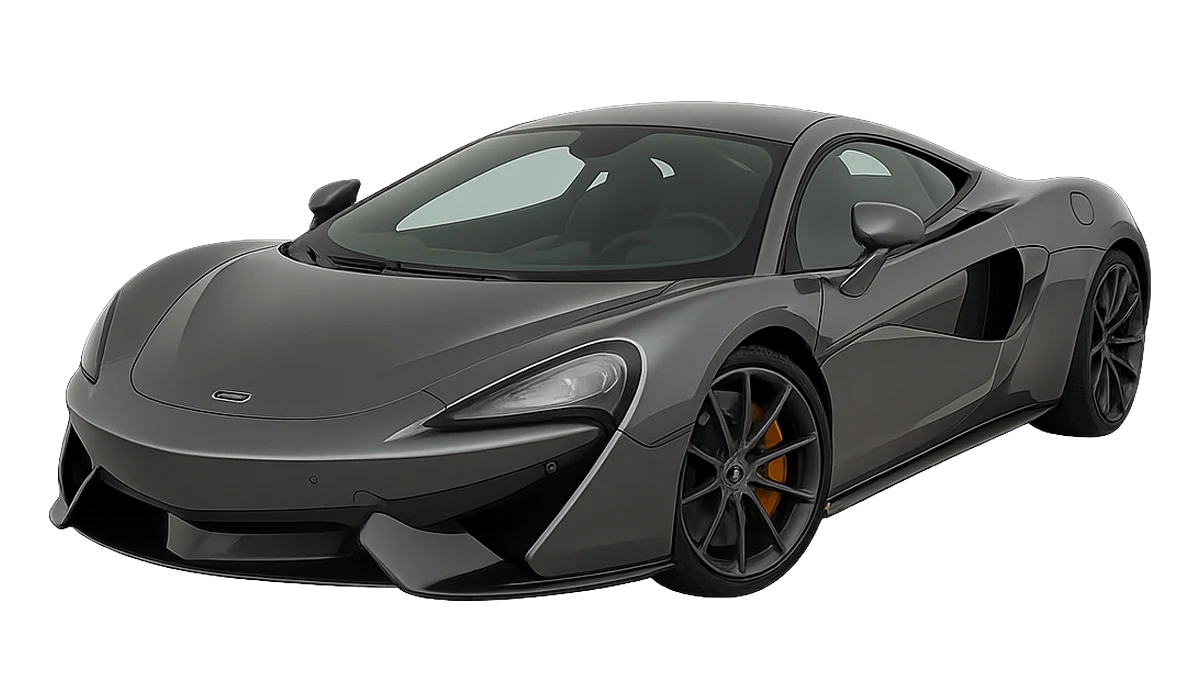
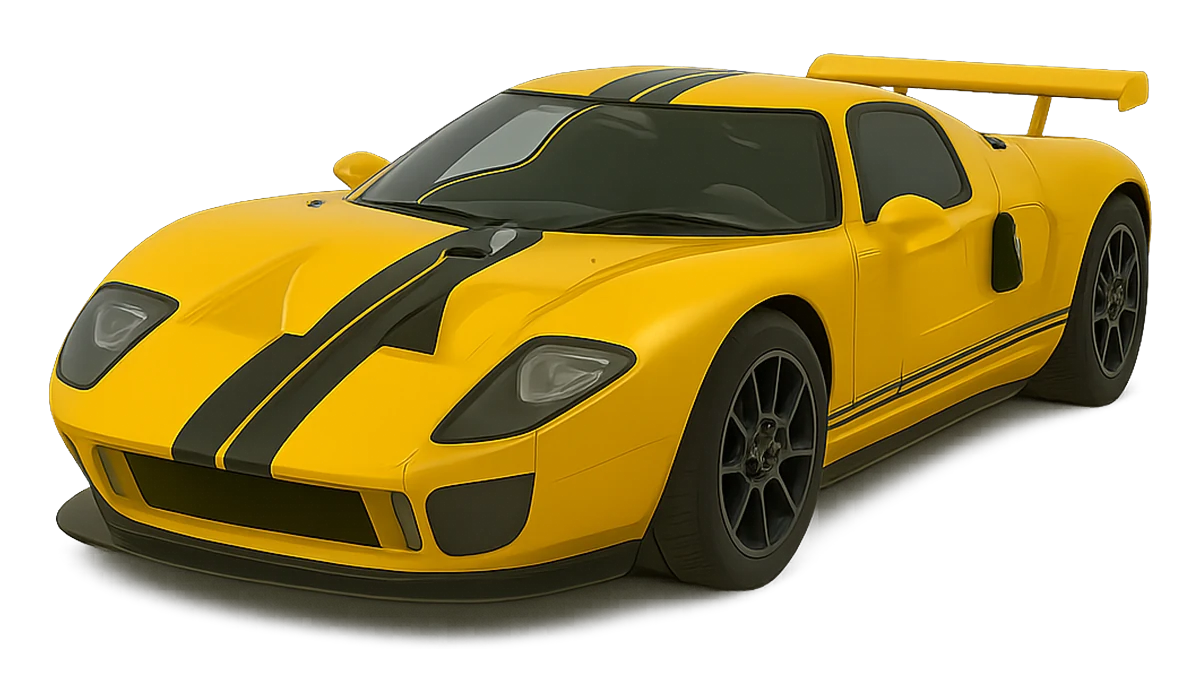
A turbo blurs the difference. The McLaren 570GT is a flat-plane V8, but its twin turbos absorb much of the pulse energy, so it sounds more muted than a naturally aspirated flat-plane. A supercharger, as on the cross-plane C7 Corvette Z06 and the 2005 Ford GT, sits on the intake side and adds whine without changing the exhaust rhythm.
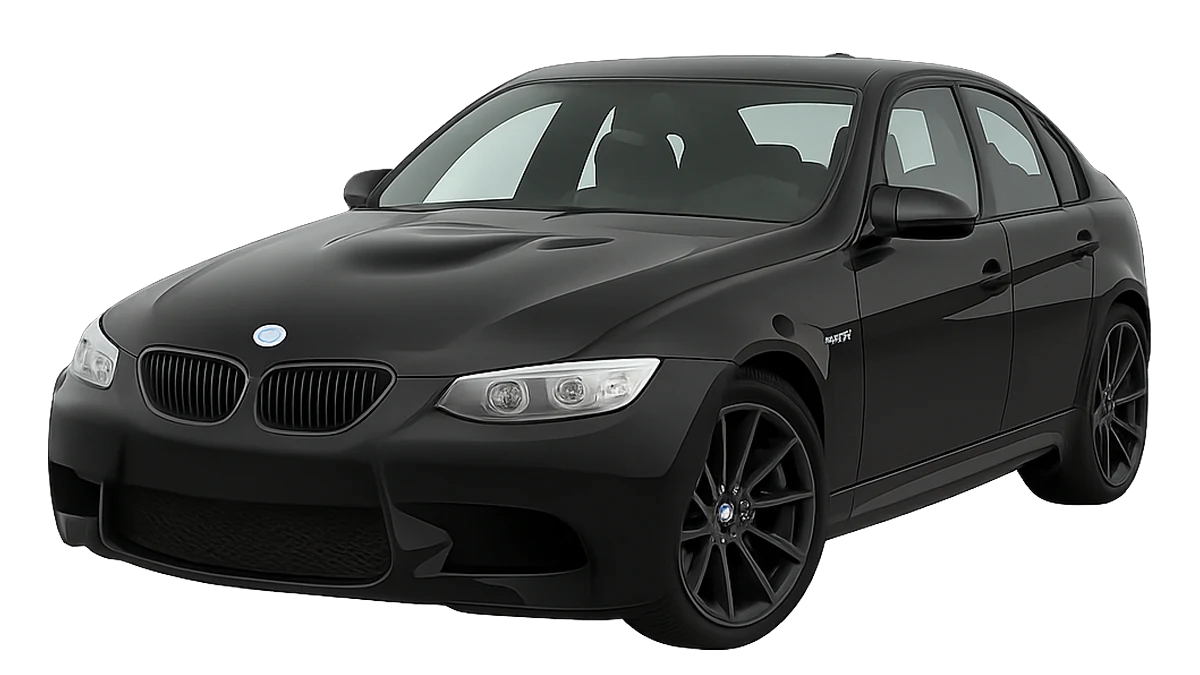
High revs can also make a cross-plane sound racy. The BMW M3 E90's S65 is a cross-plane V8, but its 8,400 rpm redline and individual throttle bodies give it a sharp top end. And exhaust design can even out a cross-plane's pulses: 180-degree headers pair cylinders across the banks so each collector receives evenly spaced pulses, as on the 'bundle of snakes' headers of racing Ford GT40s.
Which is better
For sound, it is entirely personal. If you love the deep, off-beat rumble of American muscle, that is a cross-plane. If you love the screaming, clean wail of a Ferrari, that is a flat-plane. For road cars, the cross-plane remains more common because it is smoother and better suited to large-displacement, low-rpm torque.
Frequently asked questions
Why do flat-plane V8s sound like that?
Each bank fires evenly every 180 degrees, so each exhaust gets a perfectly regular stream of pulses with no lope. They also rev higher, so the tone is higher and harder.
Why don't all V8s use a flat-plane crank?
A flat-plane leaves a secondary vibration uncancelled, which gets worse with large cylinders. Cross-plane V8s are smoother and better suited to big, torquey road engines.
Is the BMW S65 a flat-plane V8?
No, it is a cross-plane V8. Its sharp, high-revving sound comes from its 8,400 rpm redline and individual throttle bodies, not from its crank.