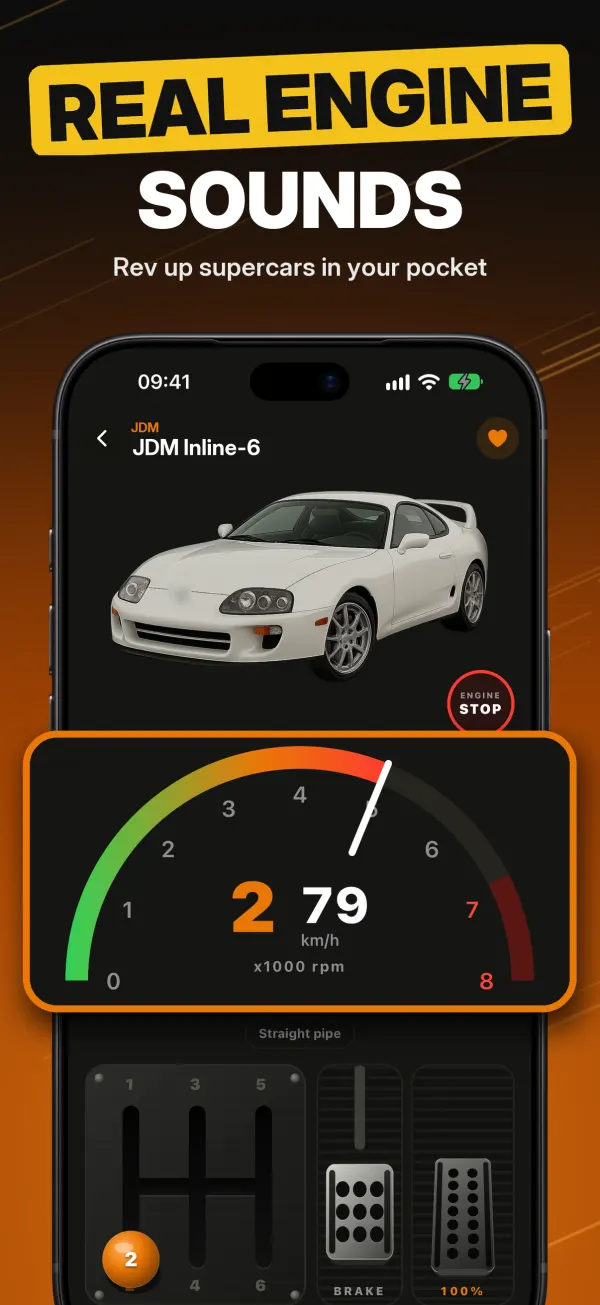

Engine sound: why every engine sounds different
An engine sound is mostly a stream of exhaust pulses, one per combustion event, so what you hear is set by how many pulses there are, how evenly they are spaced and what they pass through on the way out. Cylinder count and rpm set the pitch, firing order and crank design set the rhythm, and the exhaust, turbos and intake shape the tone.
Updated 2026-10-19
Cylinders and rpm set the pitch
Every time a cylinder fires and its exhaust valve opens, a pulse of high-pressure gas shoots into the exhaust. A four-stroke engine fires each cylinder once every two revolutions, so it produces cylinders / 2 pulses per revolution. The basic pitch, the firing frequency, is rpm / 60 × cylinders / 2.
At 7,000 rpm, an inline-four fires 233 times per second, an inline-six 350, a V8 467 and a V12 700. More cylinders means more pulses, closer together, so the sound is higher and denser. Fewer cylinders means widely spaced pulses you can almost hear individually, which is why a four sounds buzzy and a V12 sounds like one continuous tone.
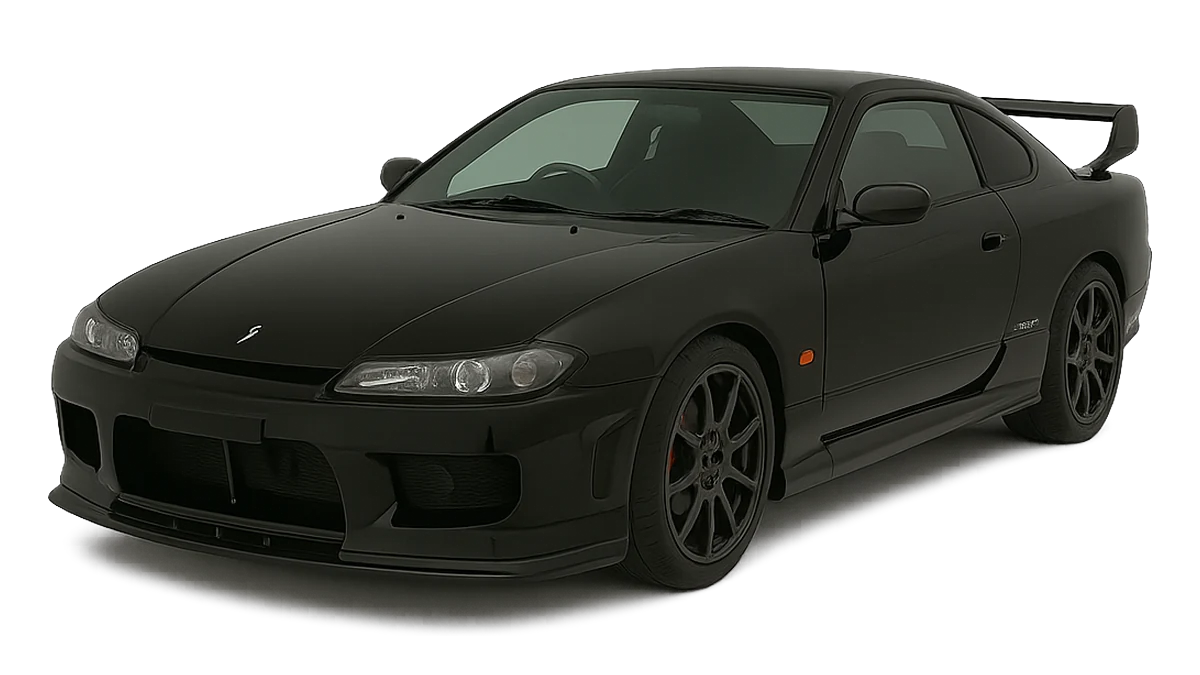
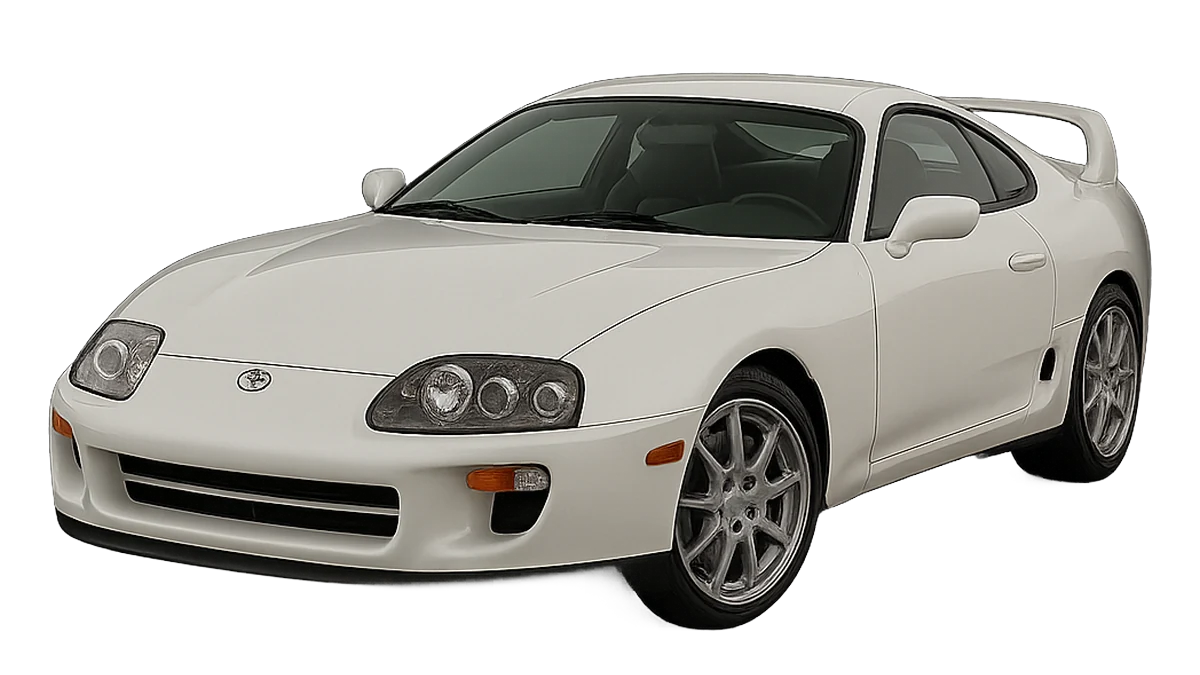
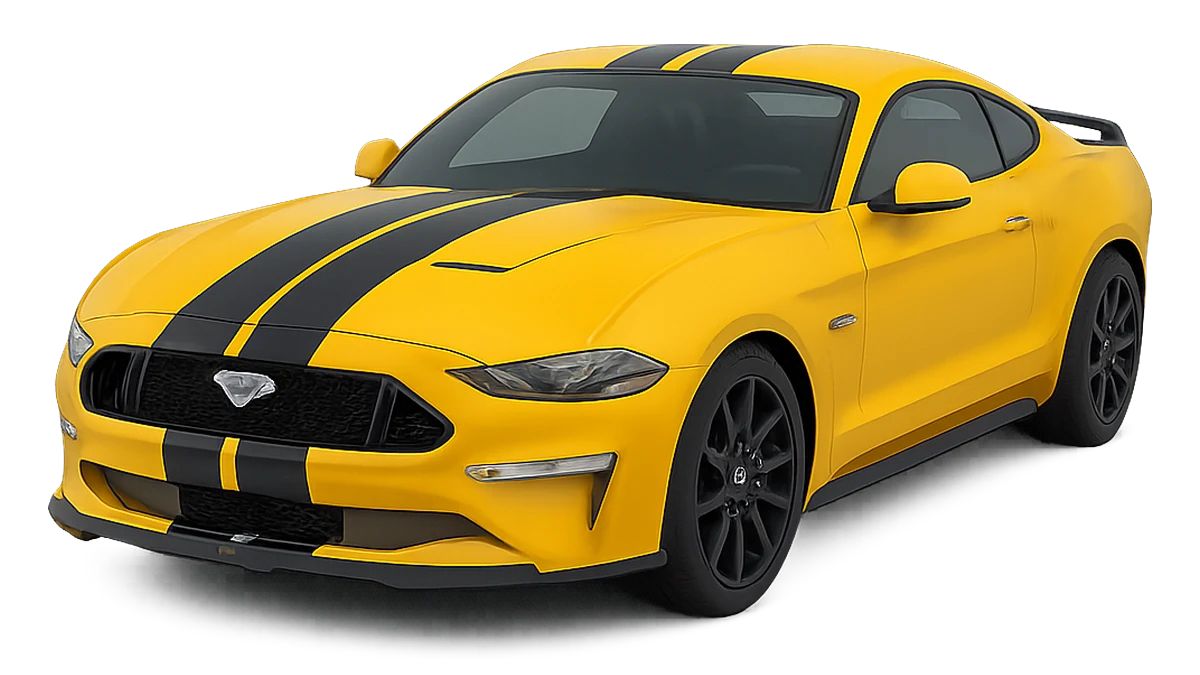

Firing order and crank set the rhythm
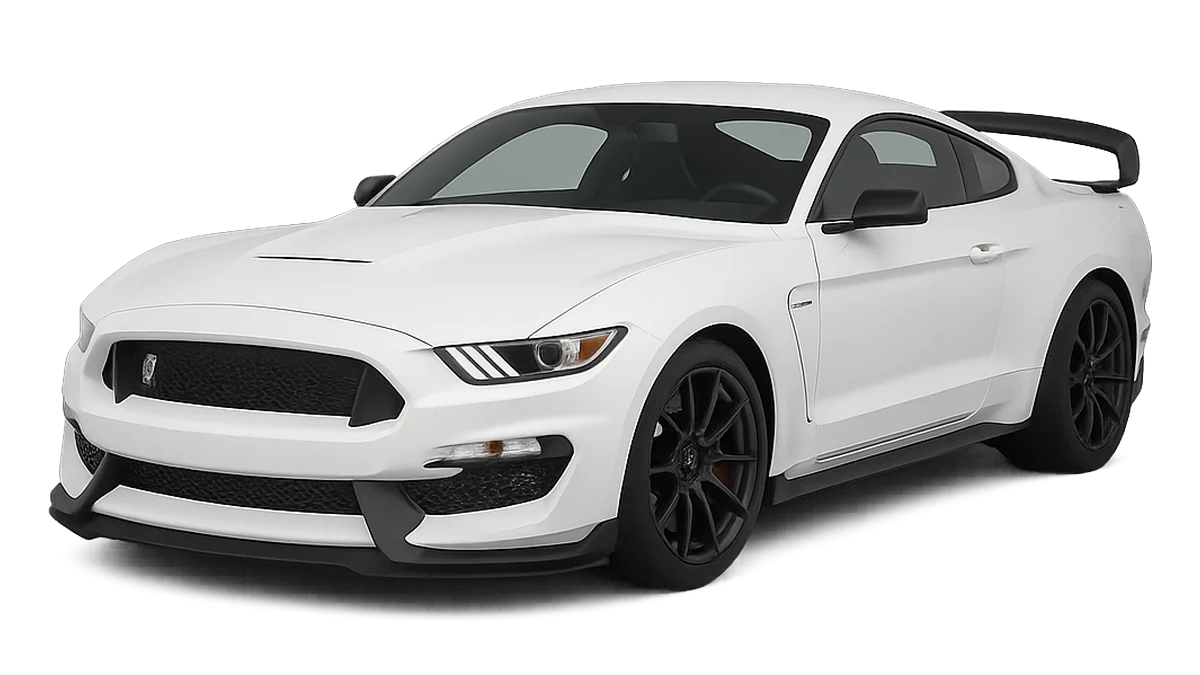
Two engines with the same firing frequency can still sound completely different if their pulses are spaced differently. The classic example is the V8. A cross-plane crank makes each bank fire at uneven intervals, so each exhaust pipe gets an irregular rhythm that the ear hears as burble. A flat-plane crank makes each bank fire evenly, which gives a cleaner, higher wail. The Mustang GT and Shelby GT350 show the difference clearly.
Inline-sixes and V12s are perfectly balanced and fire at even intervals, which is why they sound so smooth. Odd-firing engines, such as some 90-degree V6s and V10s, sound lumpy for the same reason a cross-plane V8 does.
Exhaust length and layout
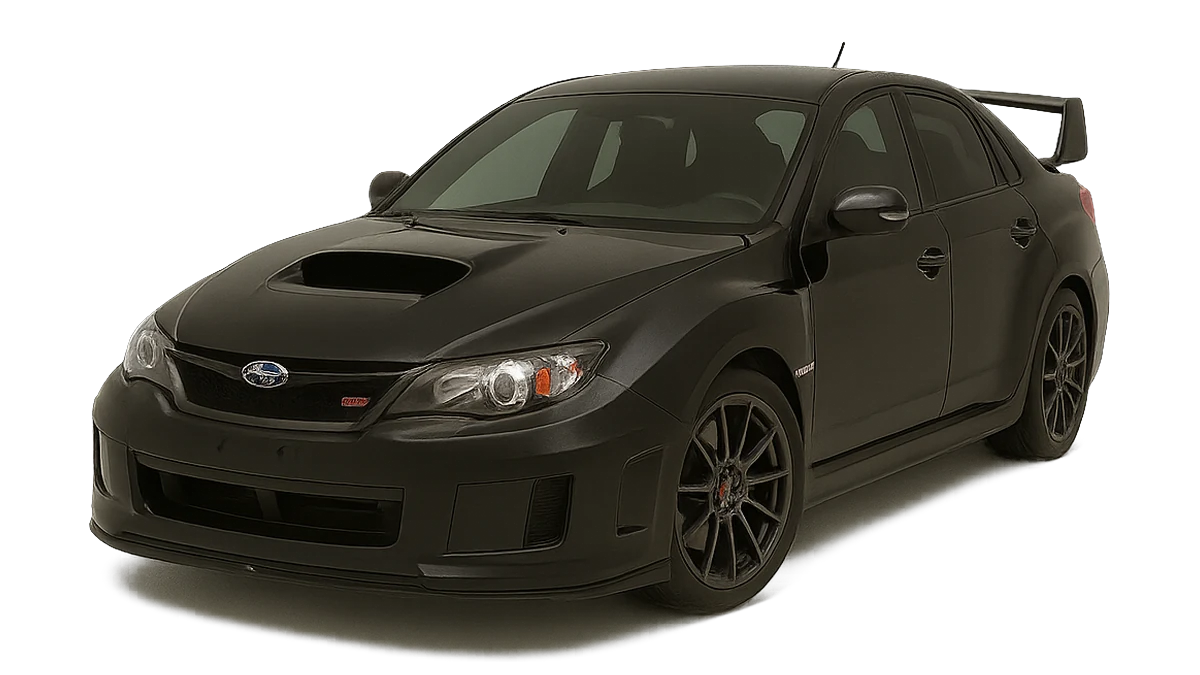
The exhaust is not just a pipe; it is an acoustic system. Header length decides when pulses from different cylinders meet. With equal-length headers they arrive evenly spaced; with unequal-length headers they arrive bunched together. The Subaru boxer rumble is entirely an exhaust effect: the flat-four fires evenly, but unequal-length headers deliver the pulses unevenly.
After the headers, crossover pipes mix the two banks of a V engine, resonators cancel specific droning frequencies, and mufflers absorb or reflect sound. Valved exhausts let a car switch between quiet and loud paths, and thin-walled titanium systems add a metallic edge.
Turbos act as mufflers, superchargers whine
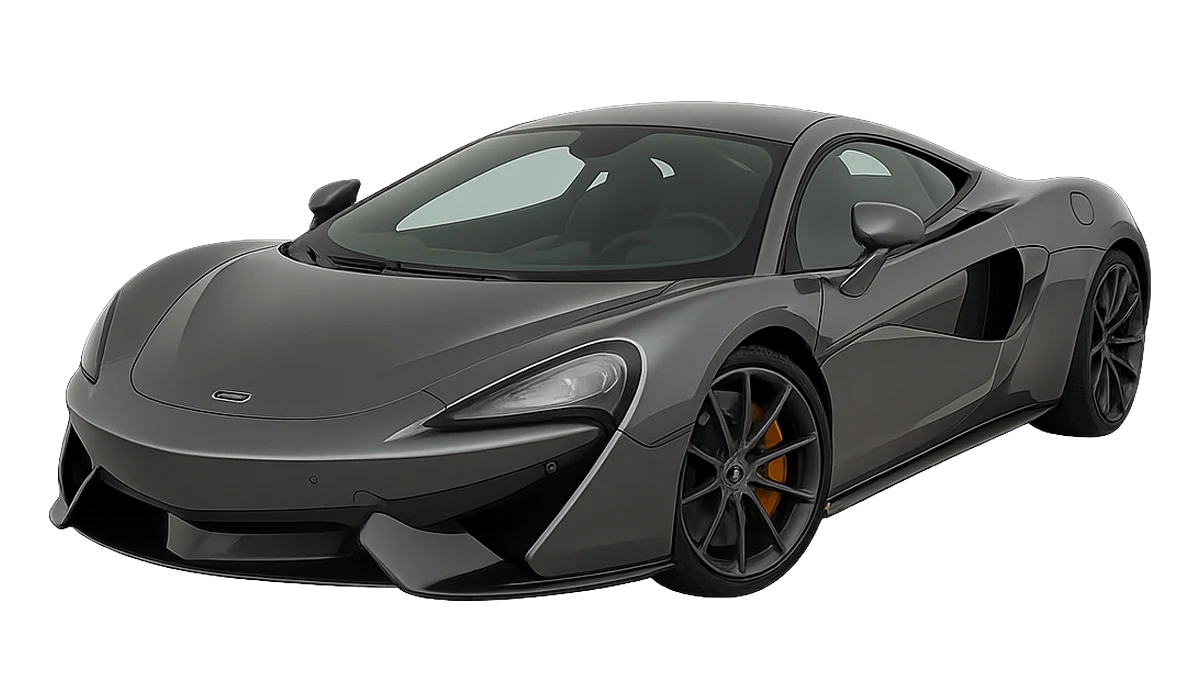
A turbocharger's turbine sits directly in the exhaust stream and is driven by the same pulses that make the sound. Extracting that energy smooths and quiets the pulses, so a turbo works partly as a muffler. That is why the twin-turbo, flat-plane McLaren 570GT sounds more muted than a naturally aspirated flat-plane V8, and why turbo cars add their own sounds instead: spool whistle, boost hiss and blow-off valve chatter.
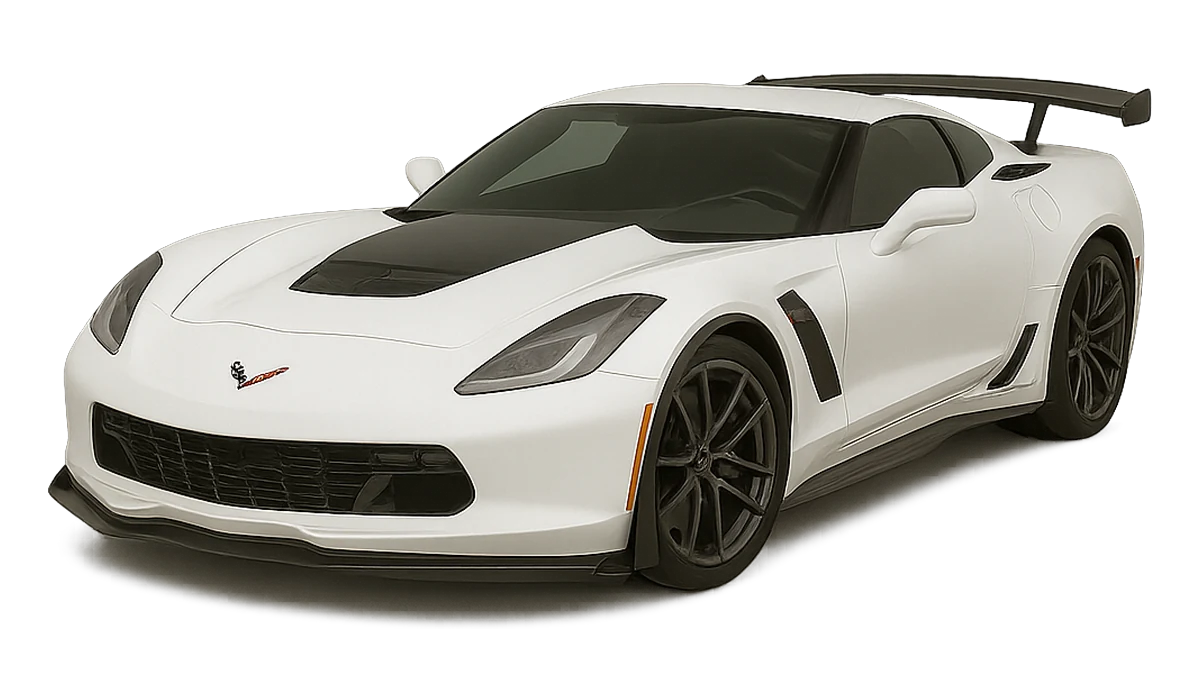
A supercharger is driven by the crank and sits on the intake side, so it leaves the exhaust note alone and adds a whine that rises with rpm, as on the C7 Corvette Z06.
Intake noise
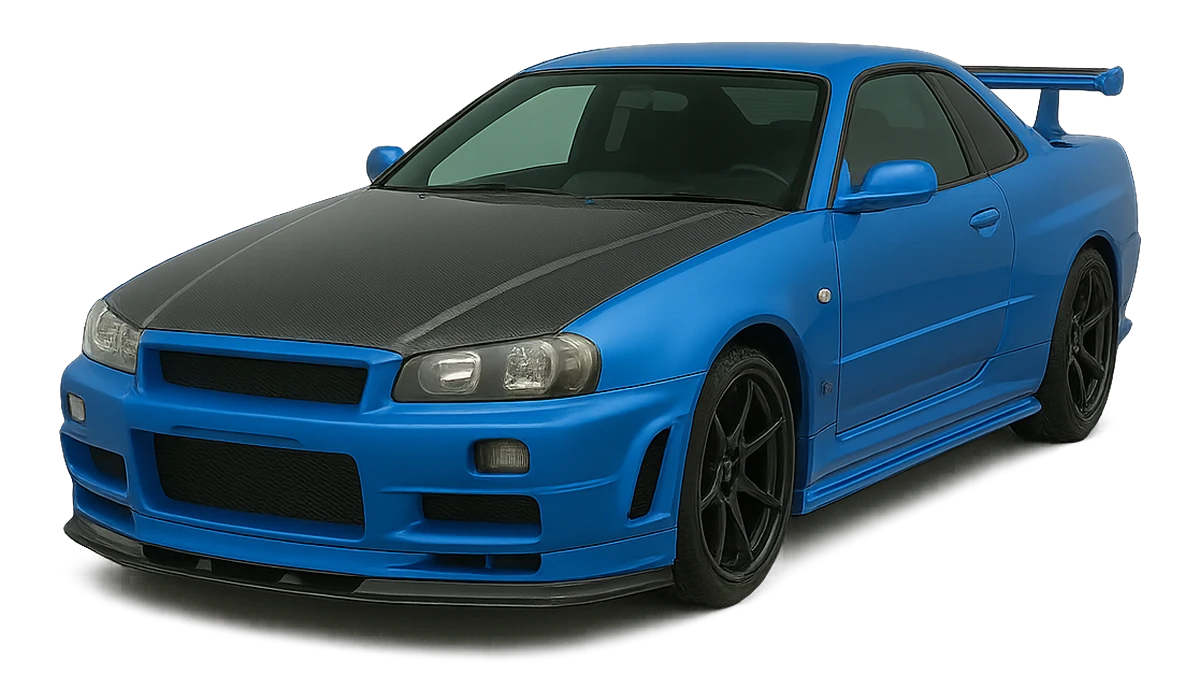
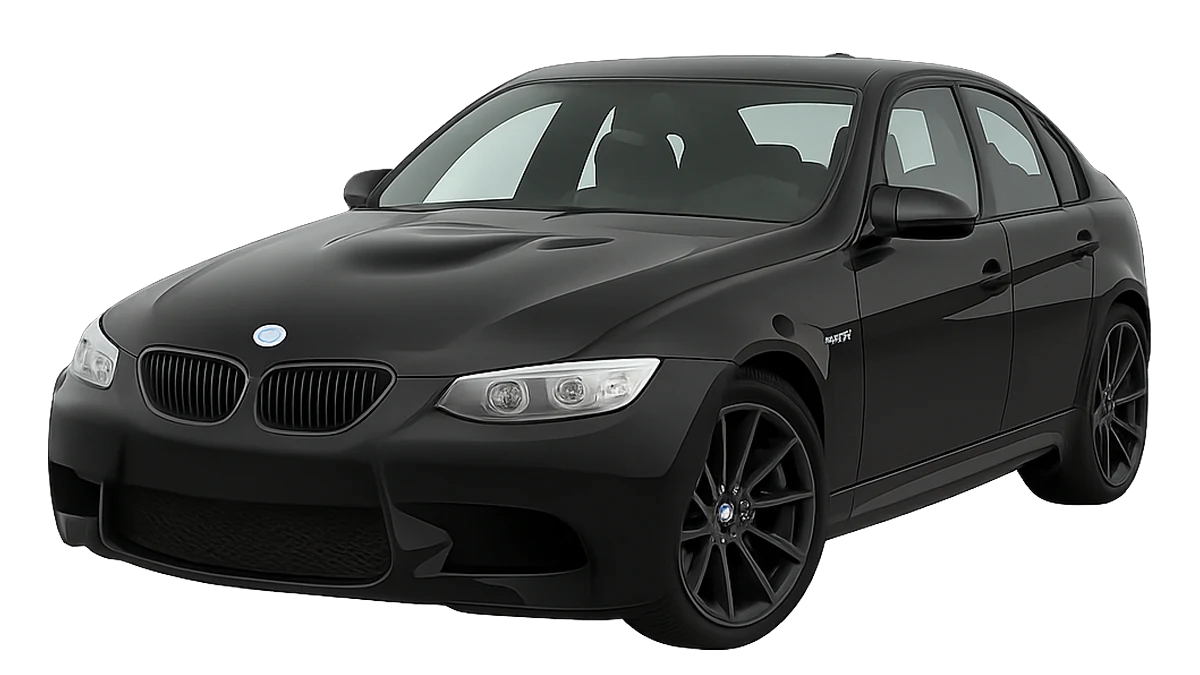
The intake makes sound too, as air rushes in through the throttle and pulses back against each closing intake valve. Individual throttle bodies, one per cylinder, make that induction sound sharp and loud. In mid- and rear-engined cars, where the intake sits right behind the cabin, it can be as important as the exhaust. The Porsche 911 GT3's flat-six and the BMW M3 E90's V8 both have individual throttle bodies, and a lot of their character is intake howl.

Rotary engines break the rules
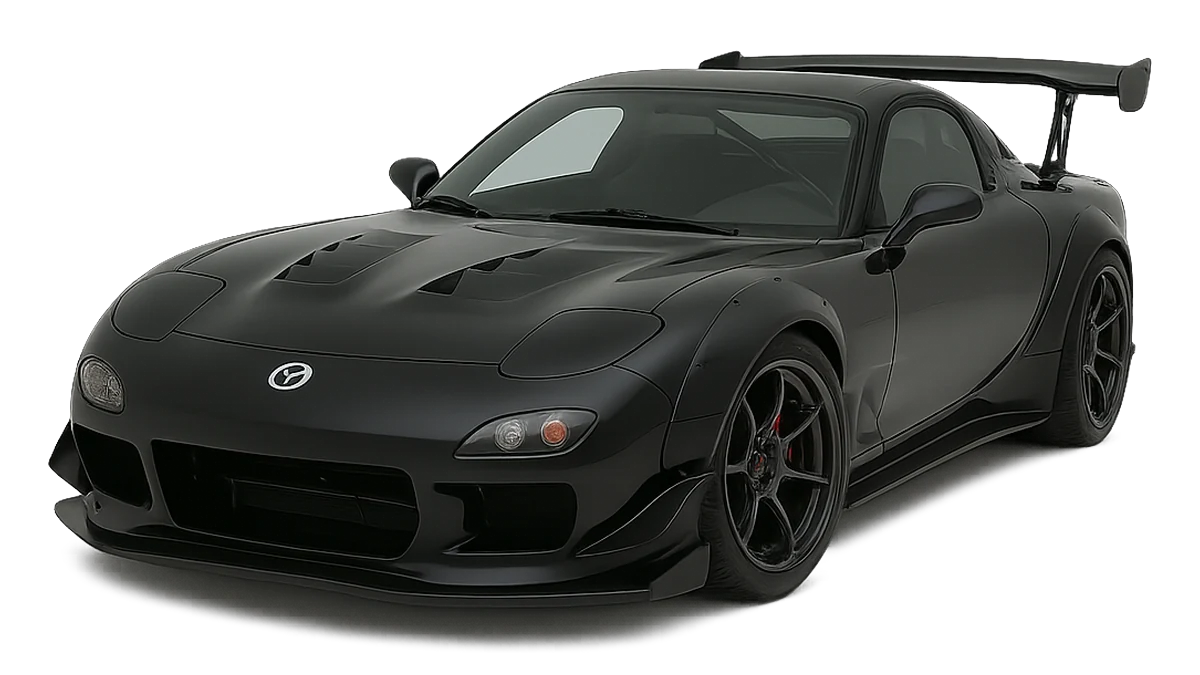
A Wankel rotary has no exhaust valves. In the RX-7's 13B, the rotor's tip sweeps past a port in the housing wall and uncovers it abruptly, so each pulse is short and sharp. A twin-rotor fires as often as an inline-four, but those sharp pulses are rich in high harmonics, so it sounds buzzier and higher-pitched than any four-cylinder.
Sound that does not come from the engine
Many modern cars add engine sound through the audio system or an acoustic tube that channels intake noise into the cabin, especially as turbos and sound-deadening make engines quieter. What you hear inside a car is often a mix of the engine, its intake and some acoustic engineering. Outside, the exhaust usually dominates.
Frequently asked questions
What determines an engine's sound?
Cylinder count and rpm set the pitch, firing order and crank design set the rhythm, and the exhaust, intake and any turbo or supercharger shape the tone and volume.
Why do V8s sound deeper than four-cylinders?
Most V8s use a cross-plane crank, which fires each bank unevenly and adds low-frequency burble, and their large cylinders produce strong pulses at low rpm. A four fires evenly and less often, so it sounds thinner.
Why do turbocharged engines sound quieter?
The turbine sits in the exhaust and takes energy from the pulses, smoothing and quieting them. In effect, the turbo acts as an extra muffler.