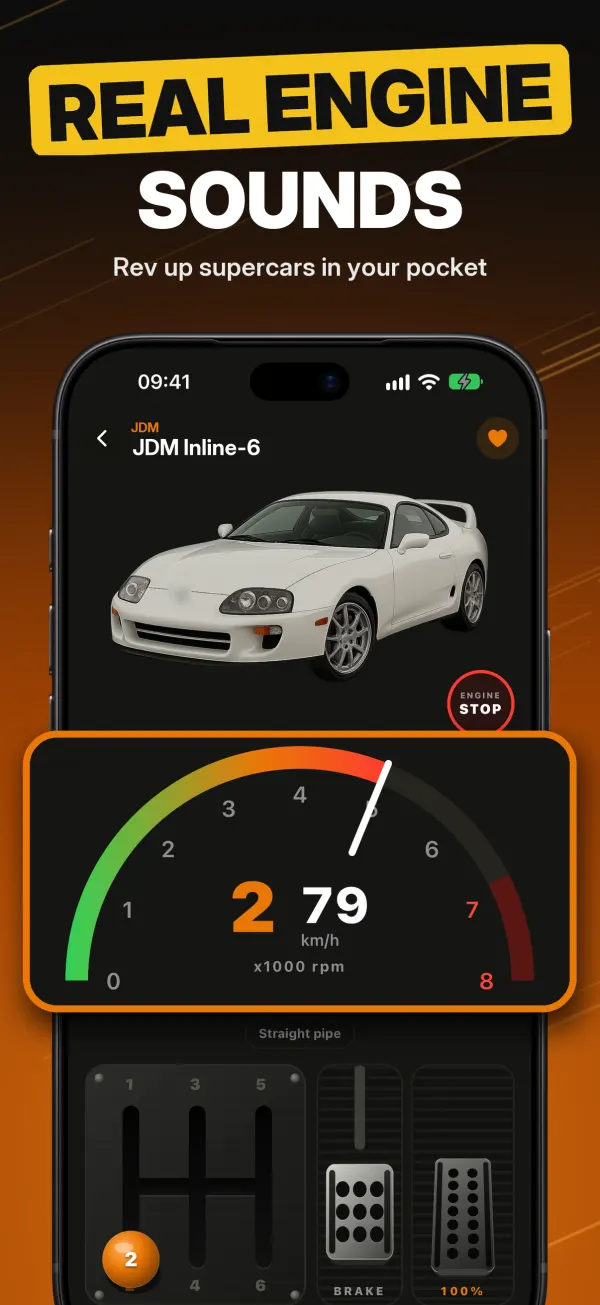

The best sounding cars
The best sounding cars almost all share three traits: they are naturally aspirated, they rev high, and their exhaust receives pulses in a clean, regular pattern or a deliberately distinctive one. This list is our opinion, not a measurement, but every pick comes with the concrete acoustic reason it earns its place, and each one has recordings you can play below.
Updated 2026-10-19
How we picked
There is no objective best-sounding engine, so treat the order as a judgment call. We favored engines whose sound changes dramatically from idle to redline, whose character comes from the engine itself rather than speakers or tuning tricks, and that sound like nothing else. Turbocharged engines are rare here for a physical reason: the turbine sits in the exhaust and absorbs much of the pulse energy that makes an engine vocal.
A useful number to keep in mind is firing frequency: rpm / 60 × cylinders / 2 for a four-stroke engine. More cylinders and more rpm mean a higher, denser note, which is why V10s and V12s dominate the top of most lists.
1. Lexus LFA
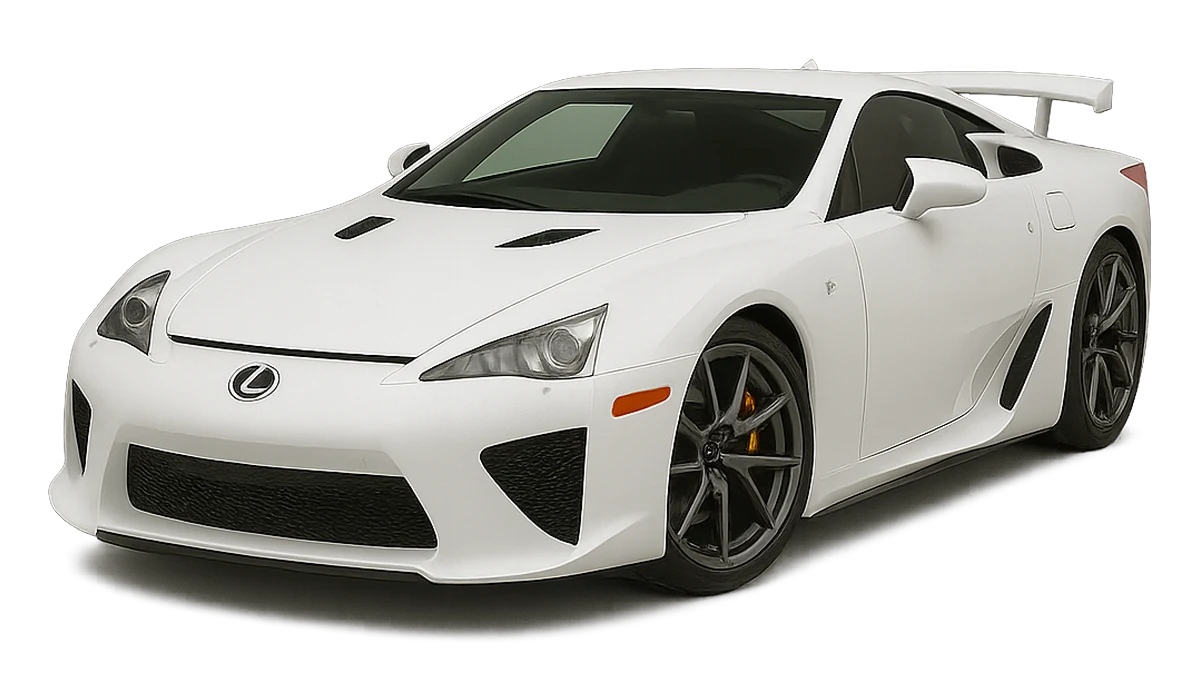
The LFA's 4.8-liter V10 revs to 9,000 rpm, where it fires 750 times per second. Its 72-degree bank angle gives perfectly even firing, so each bank sounds like a clean inline-five, and Toyota worked with Yamaha to tune how the sound reaches the cabin. It is also so light on its feet that a throttle blip is a sharp bark rather than a gradual swell. Ask enthusiasts for the best sounding car ever made and this is the most common answer.
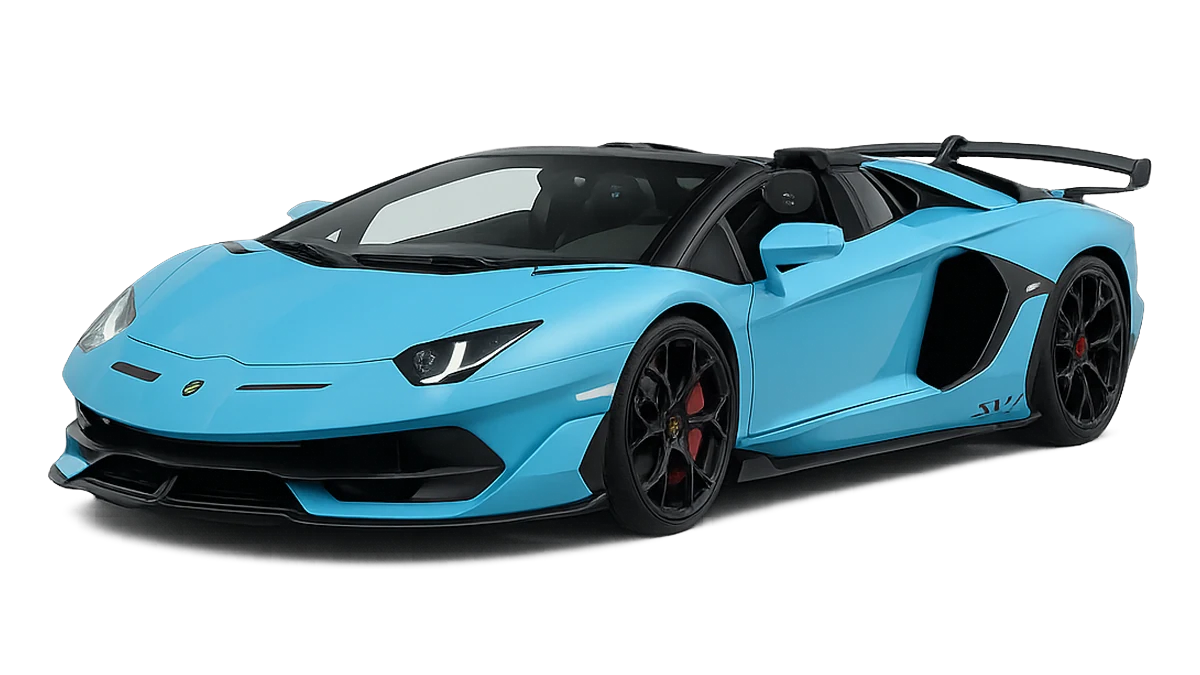
2–4. The V12s: Ferrari 812, Pagani Zonda R, Lamborghini Aventador SVJ
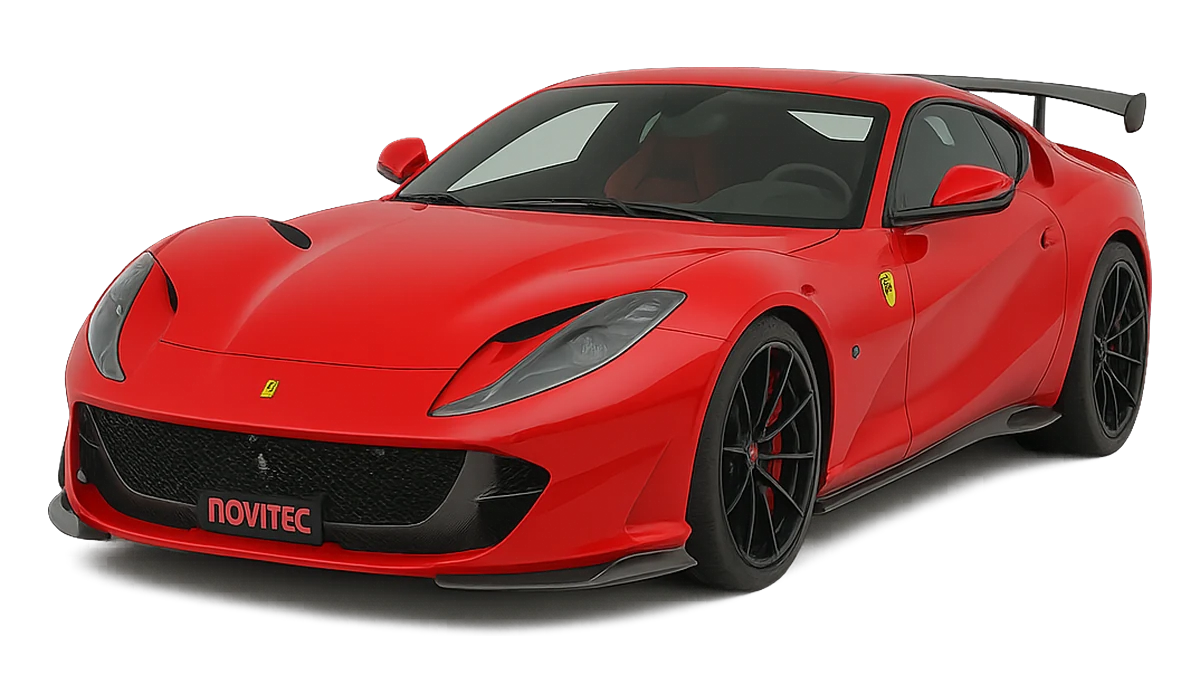
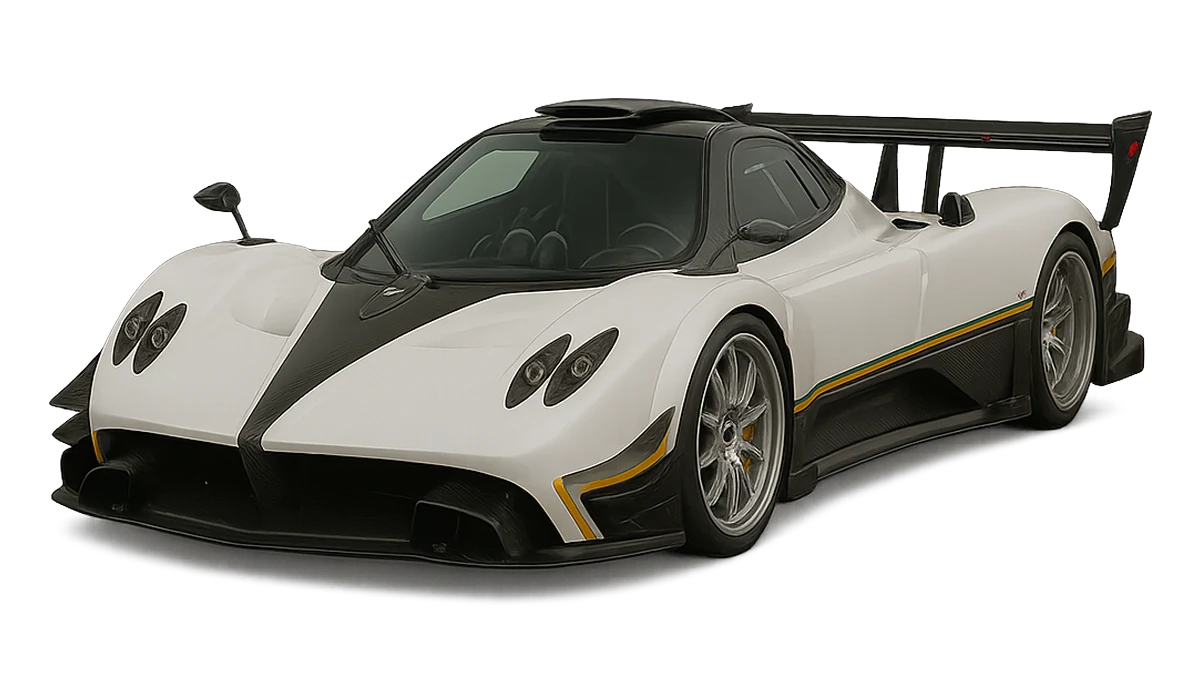
A V12 fires every 60 degrees, so its pulses overlap into one continuous, very high tone. The Ferrari 812 Superfast revs to 8,900 rpm, about 890 Hz at the limit, and the car in the app has a Novitec exhaust that adds rasp. The track-only Pagani Zonda R pairs a 6.0-liter Mercedes-AMG V12 with a barely silenced racing exhaust, so it sounds rawer and lower than the Ferrari.
The Lamborghini Aventador SVJ's 6.5-liter V12 has a harder, more mechanical tone than the Ferrari, and its single-clutch gearbox punctuates every upshift with a bark. Three V12s, three different characters.
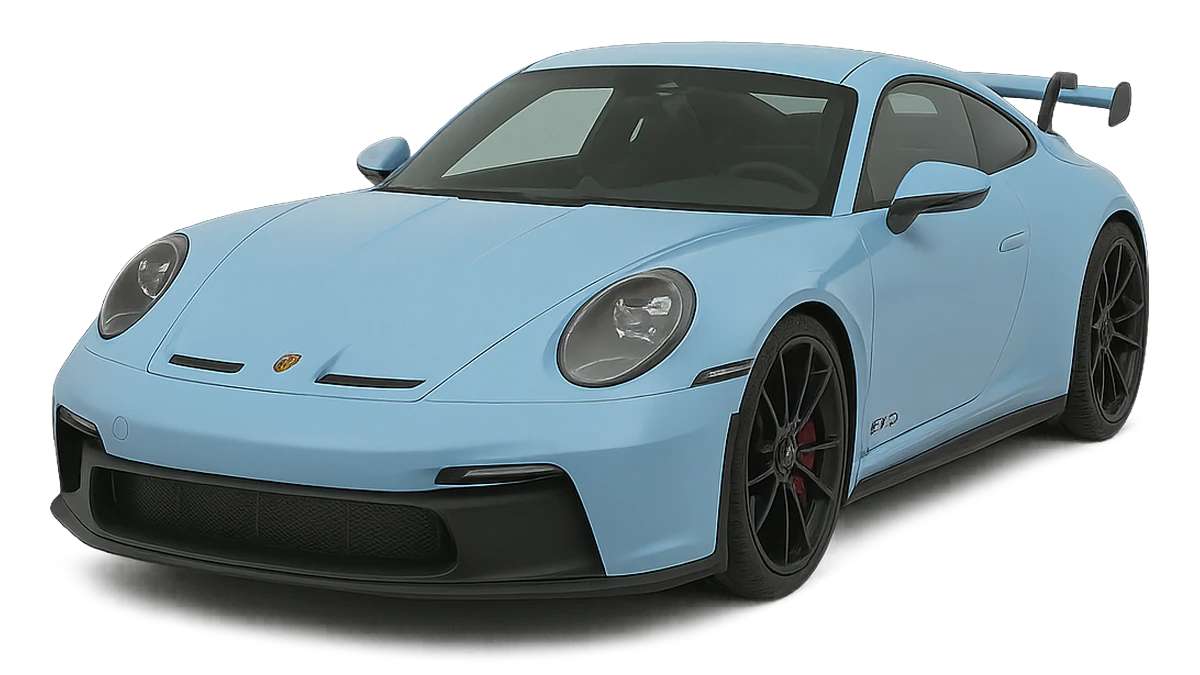
5. Porsche 911 GT3 (992)
The GT3's naturally aspirated 4.0-liter flat-six revs to 9,000 rpm and breathes through individual throttle bodies. Because the engine sits behind you, you hear intake roar and valvetrain noise as much as exhaust, and the note hardens into a metallic howl in the last few thousand rpm. Few six-cylinder road engines reach that pitch.
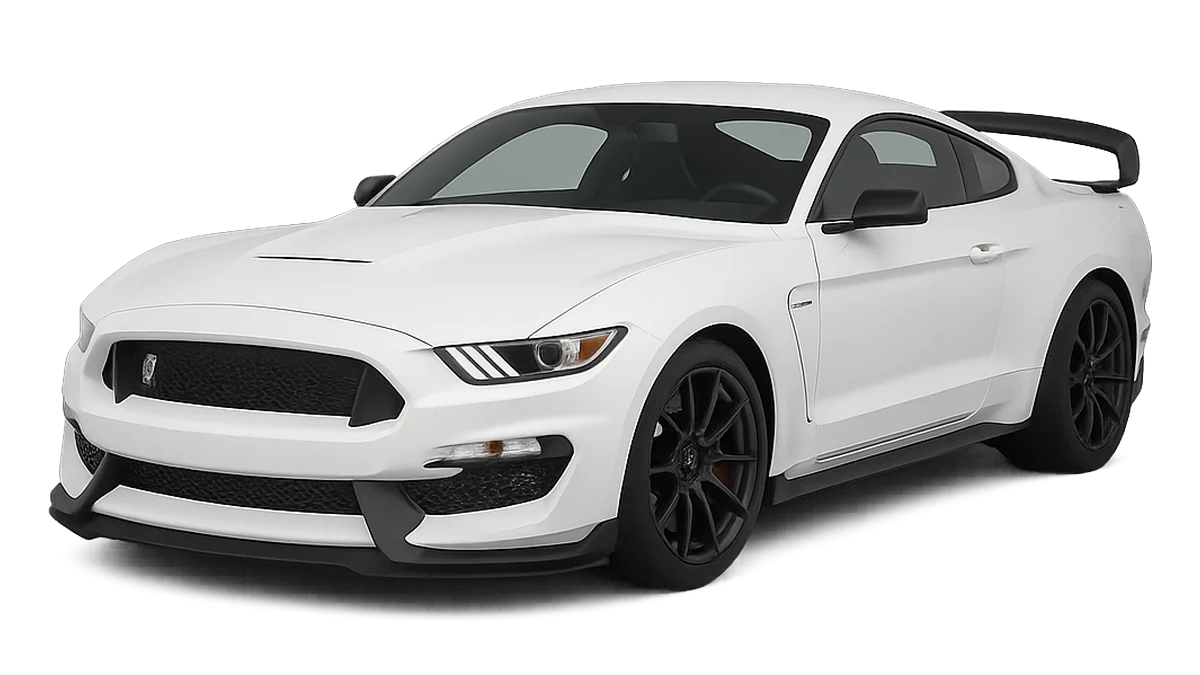
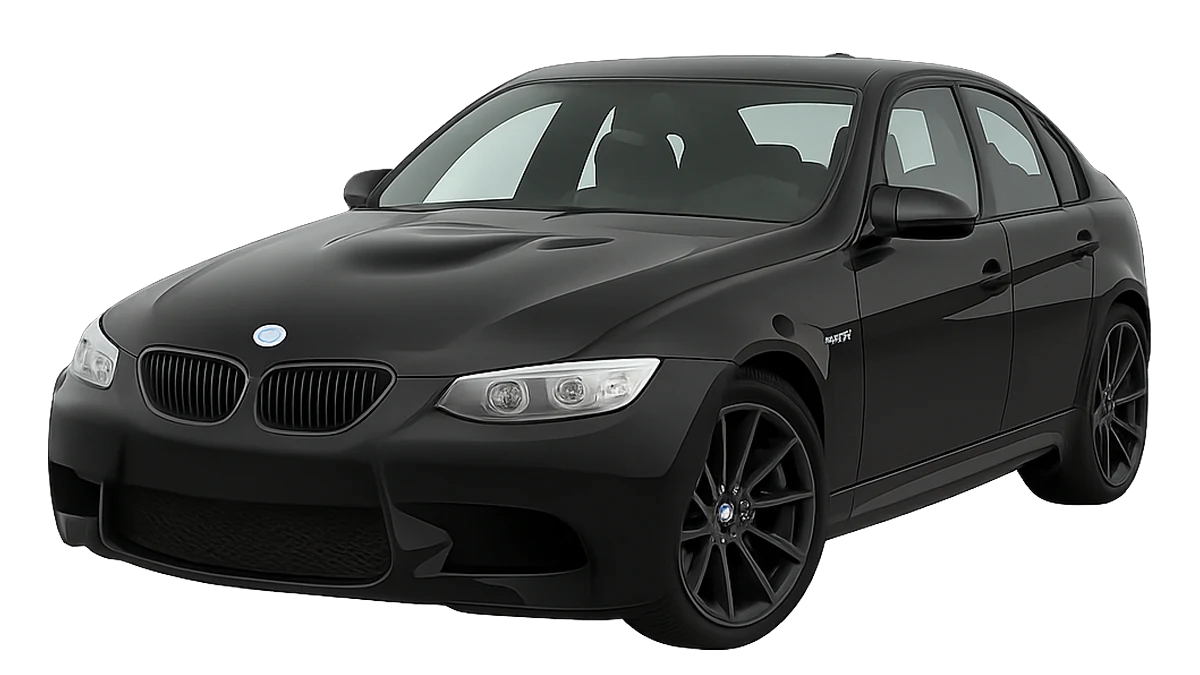
6–8. The V8s: Shelby GT350, BMW M3 E90, Ford GT
The Shelby GT350's 5.2-liter Voodoo uses a flat-plane crank, so each bank fires evenly and it wails to 8,250 rpm instead of burbling like a regular Mustang. The BMW M3 E90's S65 is a cross-plane V8, but eight individual throttle bodies and an 8,400 rpm redline give it a sharp, racy top end with a hint of V8 lope underneath.
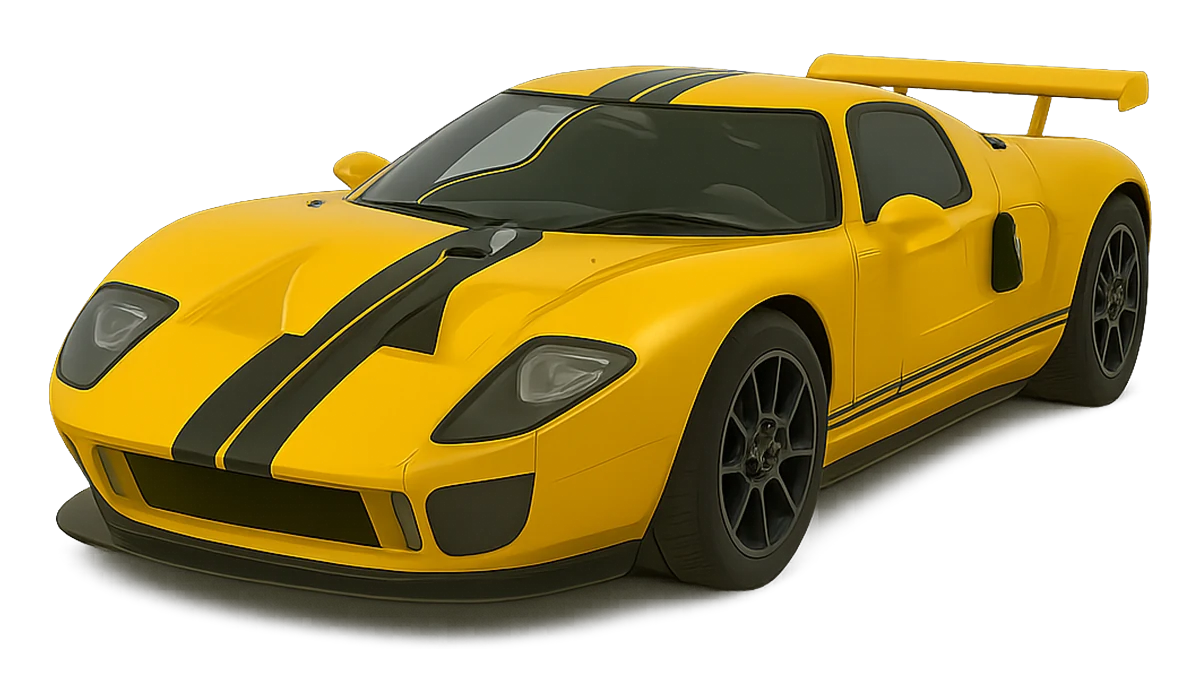
The 2005 Ford GT takes a third route: a big cross-plane V8 with a supercharger, so a deep, off-beat burble comes with a blower whine that rises with the revs. Together these three show how much a V8 can vary.
9. Alfa Romeo GT (Busso V6)
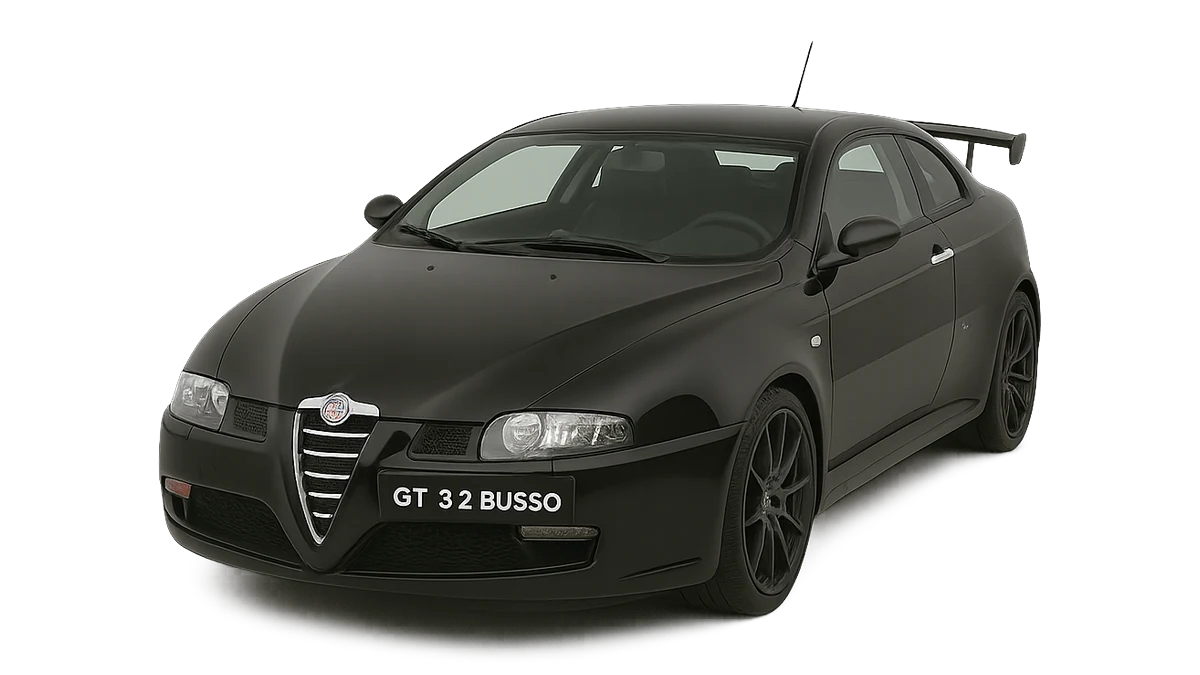
The Busso is a 60-degree, even-firing V6, and in 3.2-liter form it has a smooth idle that builds to a hard, metallic howl. With only three pulses per revolution each one is distinct, which gives it more rasp than a straight-six. It is proof that you do not need eight or more cylinders to make the list.
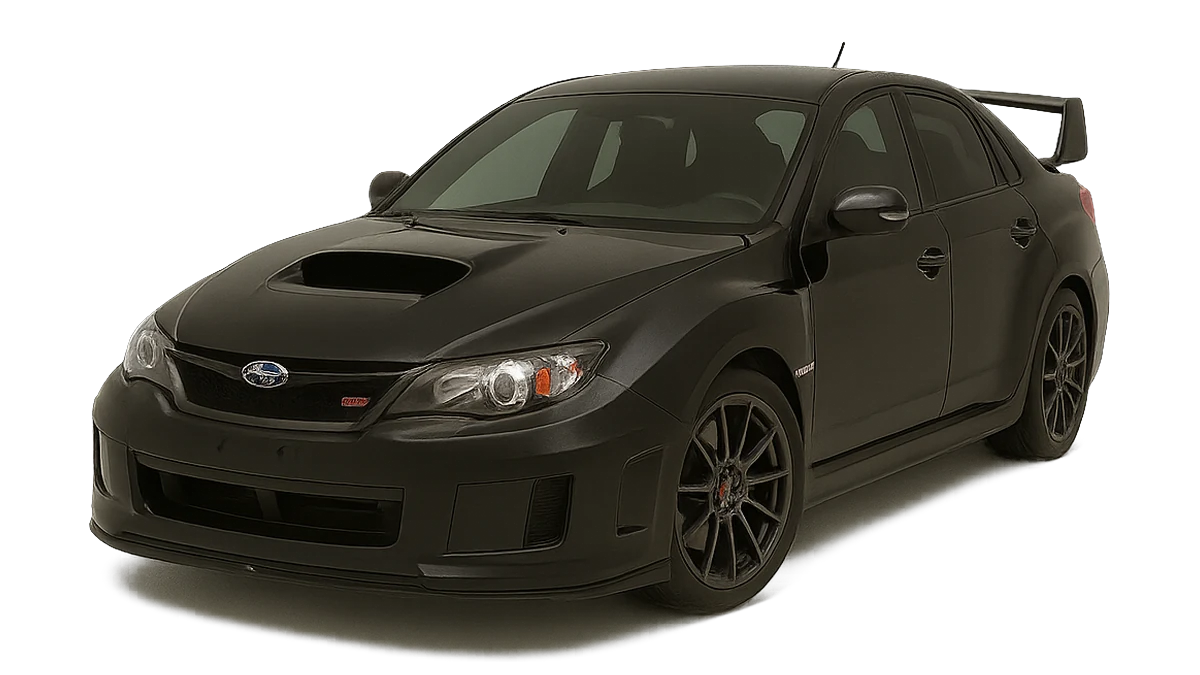
10–12. Something different: Mazda RX-7, Nissan Skyline GT-R R34, Subaru Impreza WRX STI
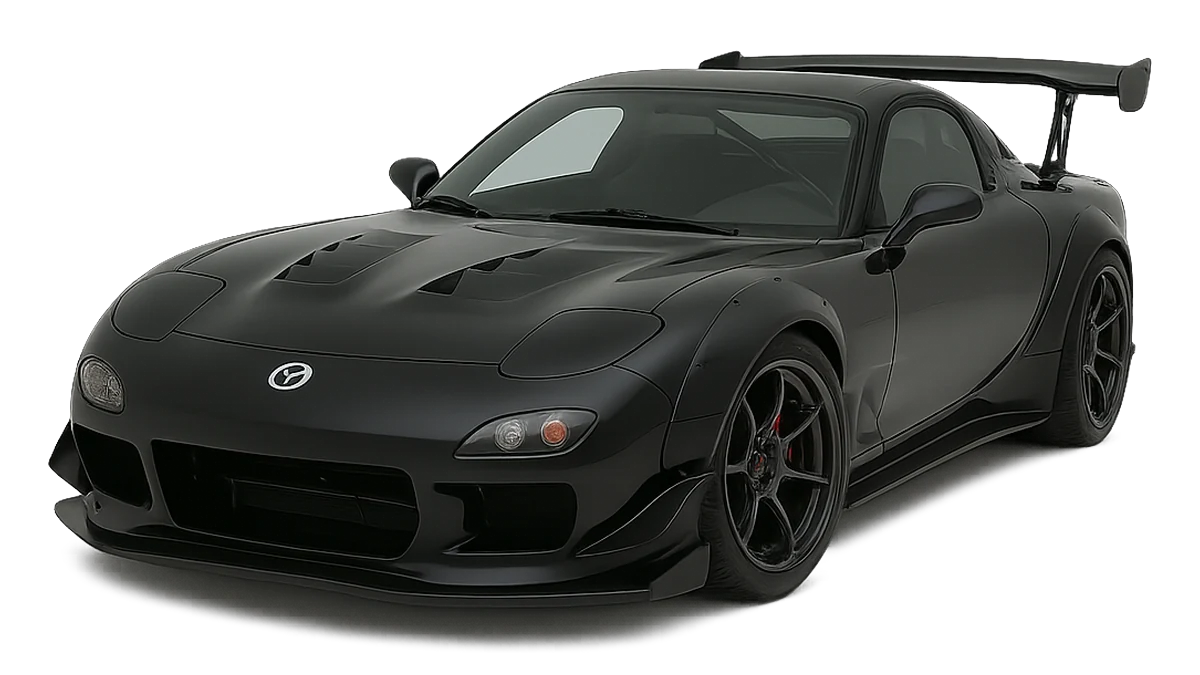
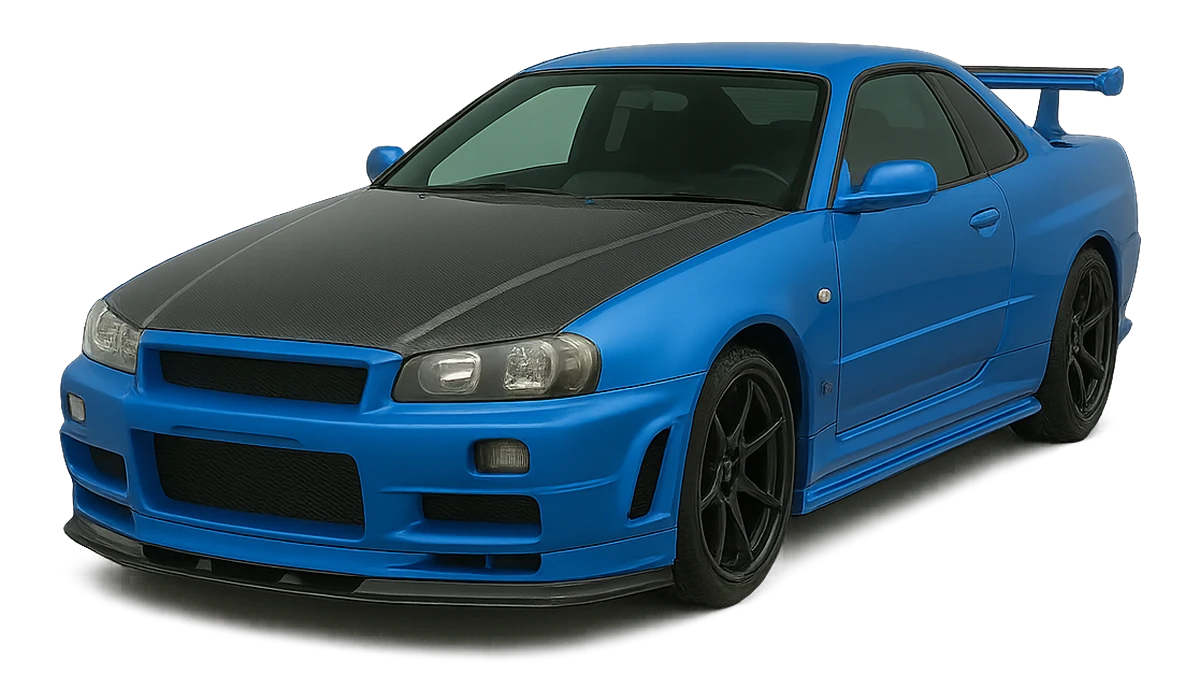
The Mazda RX-7's twin-rotor 13B fires as often as a four-cylinder, but its exhaust ports are uncovered abruptly by the rotor, so each pulse is short and sharp and the sound is a buzzing rasp unlike any piston engine. The Nissan Skyline GT-R R34's RB26 is the pick of the turbo sixes: perfectly balanced, even-firing and happy to rev to around 8,000 rpm, with intake noise from its individual throttle bodies.
The Subaru Impreza WRX STI earns its spot on character alone. Its flat-four fires evenly, but unequal-length exhaust headers deliver the pulses unevenly, producing the off-beat rumble that is instantly recognizable.
Honorable mentions
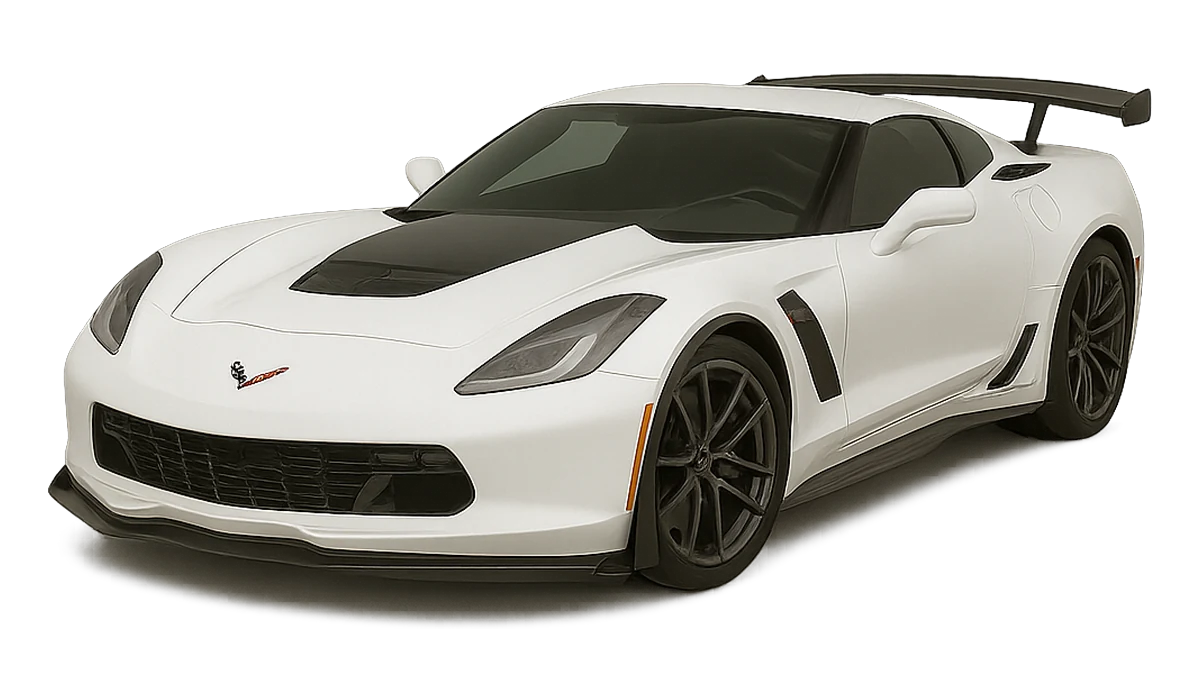
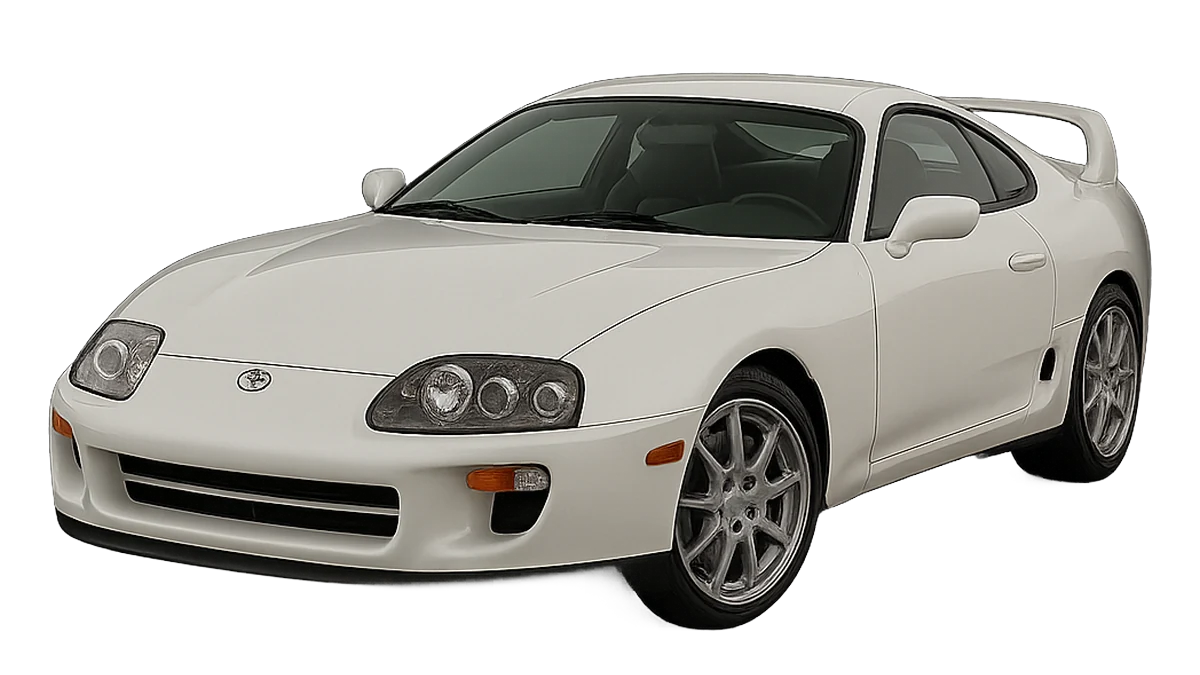
Outside the app, the Porsche Carrera GT's V10, the four-rotor Mazda 787B and the McLaren F1's BMW V12 appear on most enthusiast lists. In the app, the supercharged Chevrolet Corvette Z06 is worth a listen for its blower whine layered on a cross-plane V8, and the Toyota Supra MK4 for its smooth turbo straight-six.
Frequently asked questions
What is the best sounding car ever made?
It is subjective, but the Lexus LFA is the most common answer, thanks to its even-firing, 9,000 rpm V10. Naturally aspirated Ferrari V12s and the Porsche Carrera GT are close behind.
What is the best sounding engine type?
High-revving, naturally aspirated V10s and V12s usually top the lists because they fire many times per revolution and produce a dense, high note. Flat-plane V8s and flat-sixes are close contenders.
Do turbocharged cars sound worse?
They usually sound quieter and less sharp, because the turbine absorbs exhaust pulse energy. Many still sound good, but most of the best-sounding cars are naturally aspirated.