
The best sounding V8 engines
The best sounding V8 depends on which V8 sound you love: the high, clean wail of a flat-plane crank or the off-beat burble of a cross-plane. Our picks, which are opinion rather than measurement, cover both, and each comes with the concrete reason it sounds the way it does and recordings you can play.
Updated 2026-10-19
Two kinds of V8 sound
Every four-stroke V8 fires four times per revolution, so its firing frequency is rpm / 60 × 4, whatever the crank. The difference is in the rhythm each exhaust pipe hears. A cross-plane crank makes each bank fire at uneven intervals, which creates the lope or burble most people think of as the V8 sound. A flat-plane crank makes each bank fire evenly, so the note is cleaner, harder and more exotic.
We also weighed rpm, since a higher redline means a higher pitch, and aspiration, since turbos absorb exhaust energy and mute the sound.
1. Shelby GT350
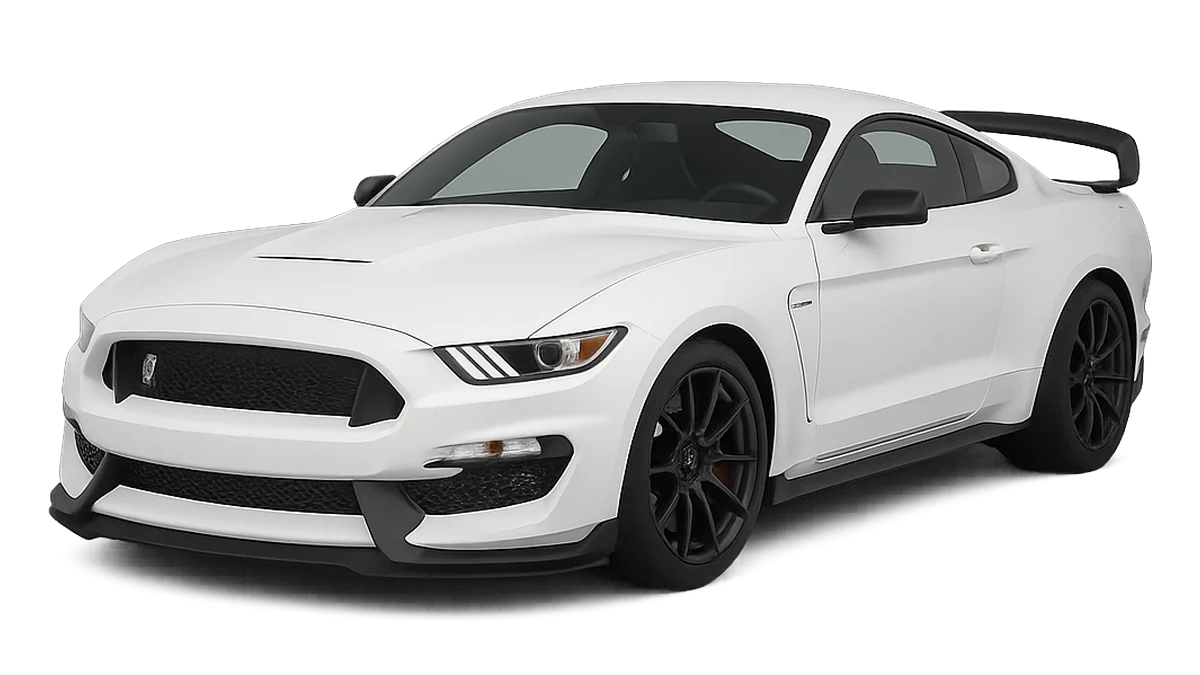
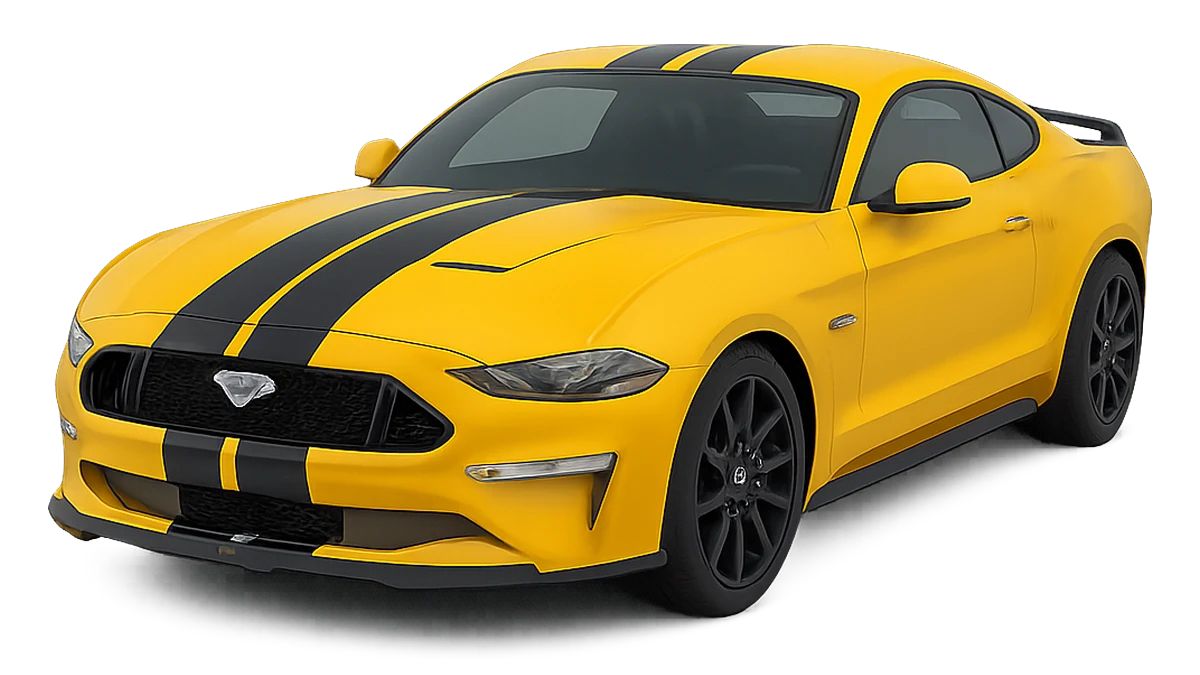
The GT350's 5.2-liter Voodoo is the rare American flat-plane V8, and it revs to 8,250 rpm, about 550 Hz at the limit. Because it shares its basic engine family with the cross-plane Coyote in the Mustang GT, the pair is the clearest side-by-side demonstration of what the crank alone does. The GT350 trades the burble for a hard, rising howl.
2. BMW M3 E90
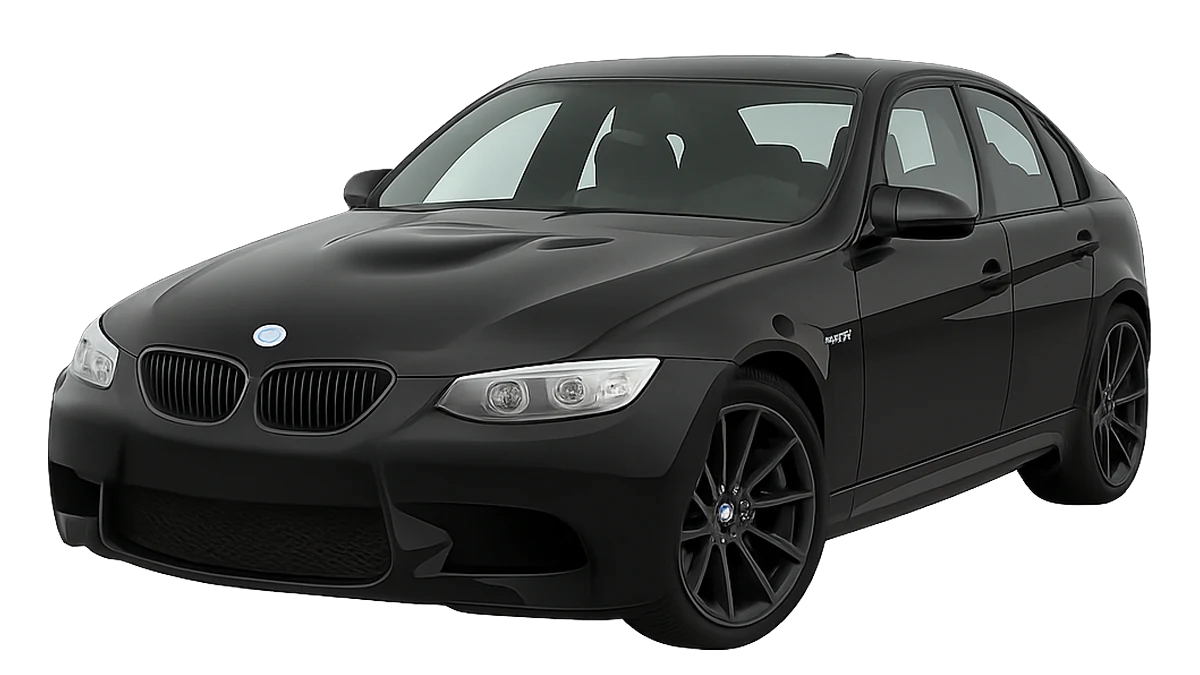
The S65 is a 4.0-liter cross-plane V8, yet it sounds closer to a race engine than a muscle car. Eight individual throttle bodies give it a sharp intake bark, and its 8,400 rpm redline pushes the pitch far above most V8s. You still hear some cross-plane lope at idle, which disappears into a smooth scream near the top.
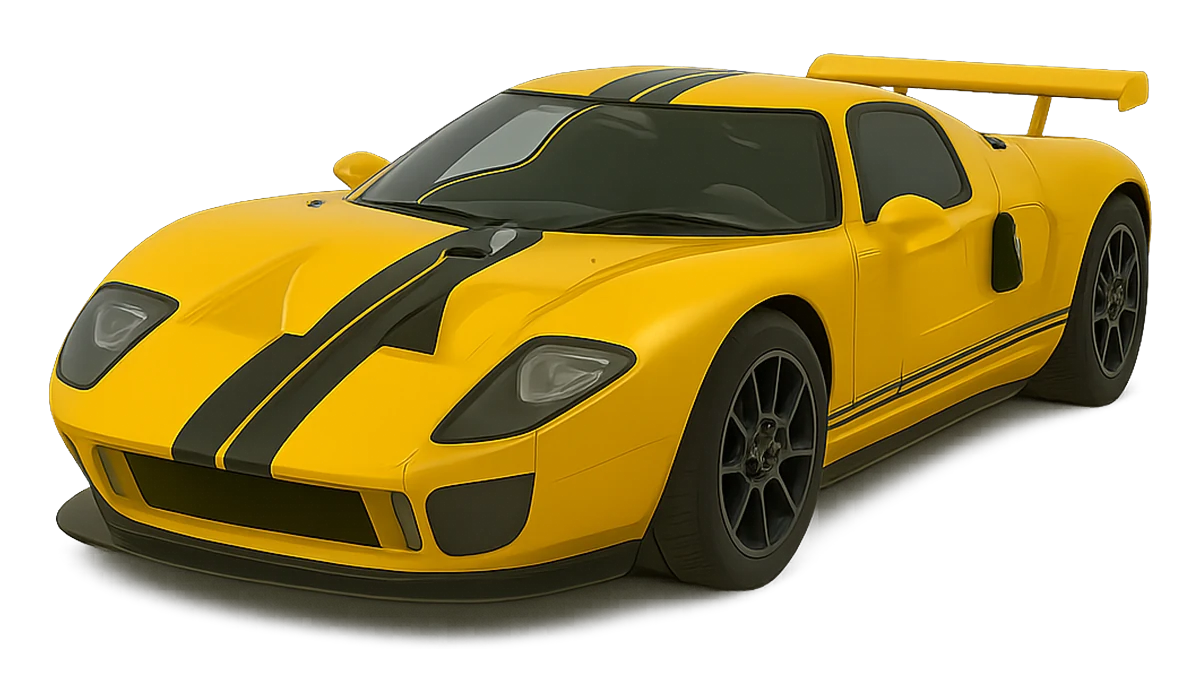
3. Ford GT (2005)
The 2005–2006 Ford GT, the modern revival of the GT40, pairs a cross-plane 5.4-liter V8 with a twin-screw supercharger. The exhaust carries a deep, off-beat burble, and with the engine right behind the cabin the blower adds a whine that climbs with the revs. Its 1960s ancestor is a reminder of what exhaust design can do: some racing GT40s ran 180-degree 'bundle of snakes' headers that paired cylinders across the banks to even out the pulses.
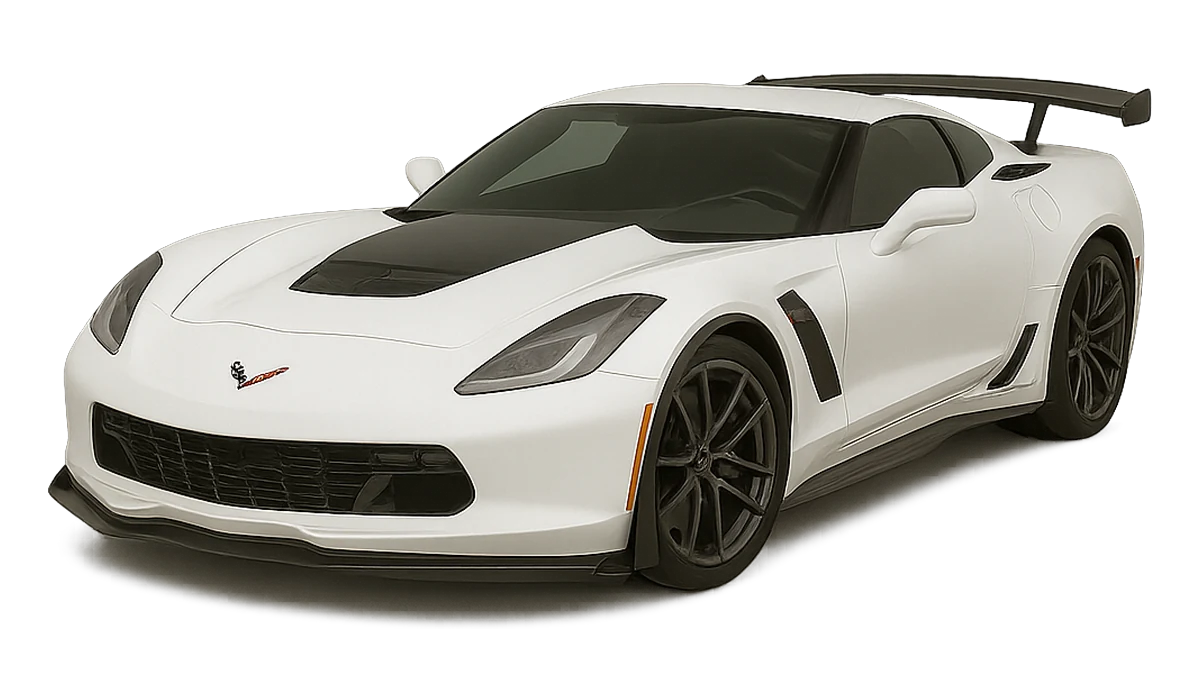
4. Chevrolet Corvette Z06 (C7)
The C7 Z06's 6.2-liter LT4 is a cross-plane V8 with a supercharger. The exhaust delivers the classic deep, lumpy burble, and on top of it sits the supercharger's whine, which rises with rpm. That layering of two distinct sounds makes it one of the most characterful modern American V8s, even with a modest 6,500 rpm redline.
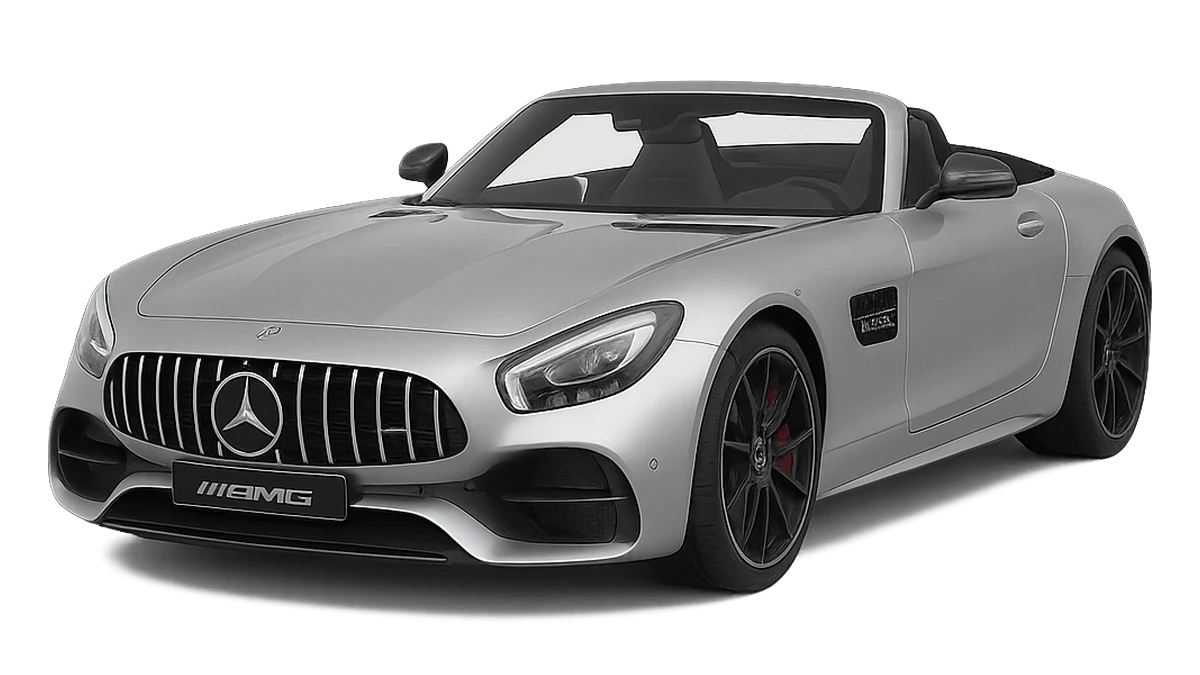
5. Mercedes-AMG GT C Roadster
AMG's 4.0-liter twin-turbo V8 places its turbos inside the V between the banks. Turbos usually mute a V8, but AMG's valved exhaust and aggressive tuning keep it loud, with a deep cross-plane rumble and heavy crackle on overrun. With the roadster's top down, you hear it unfiltered.
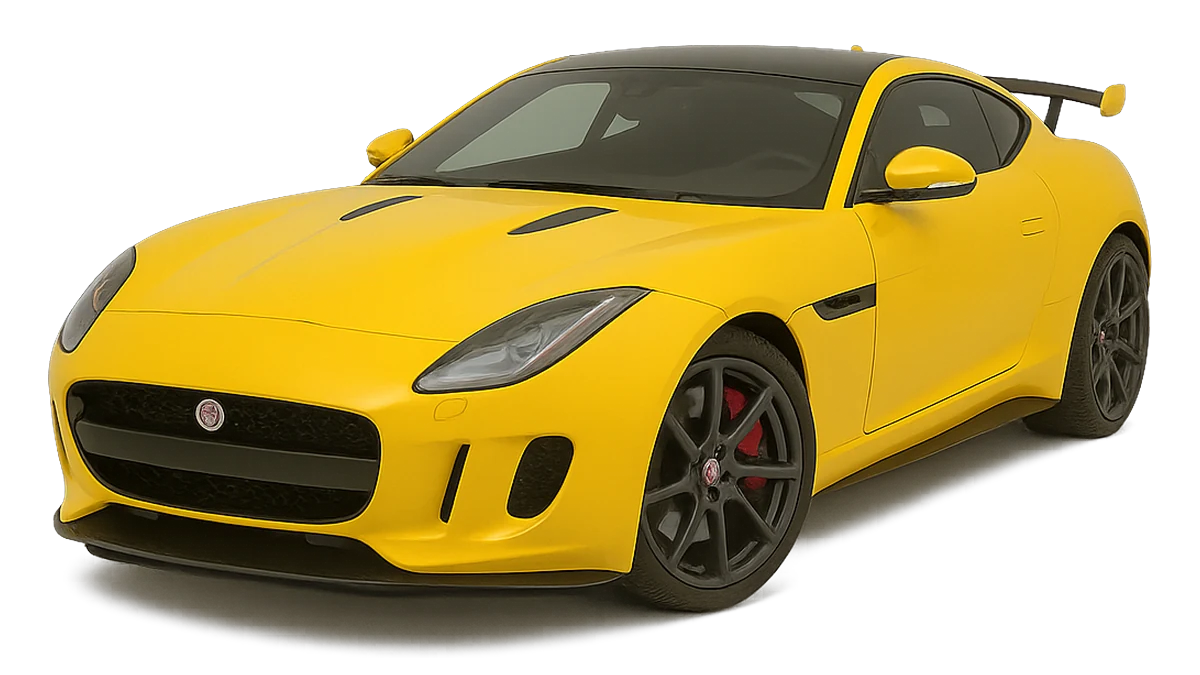
6. Jaguar F-Type V8
The F-Type's supercharged 5.0-liter V8 is known for its overrun: lifting off sends a volley of pops and bangs through the exhaust. Under load it has a cross-plane bark with a light supercharger whine. It is more theatrical than refined, which is exactly its appeal.
7–8. Mercedes-AMG G 63 and McLaren 570GT
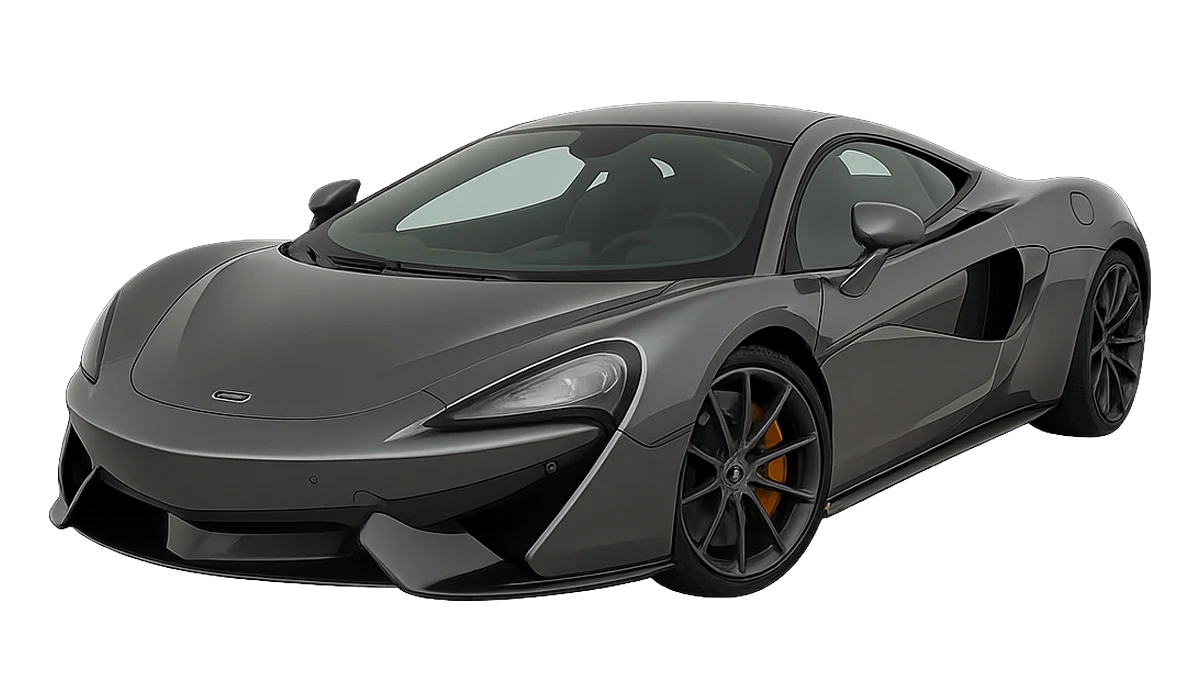
The G 63 uses AMG's twin-turbo V8 with side-exit exhaust pipes, so the deep burble exits just ahead of the rear wheels. The McLaren 570GT is a flat-plane V8, but its twin turbos absorb much of the pulse energy, so it sounds harder and higher than a cross-plane but more muted than a naturally aspirated flat-plane. It shows how much a turbo changes the picture.

Honorable mentions
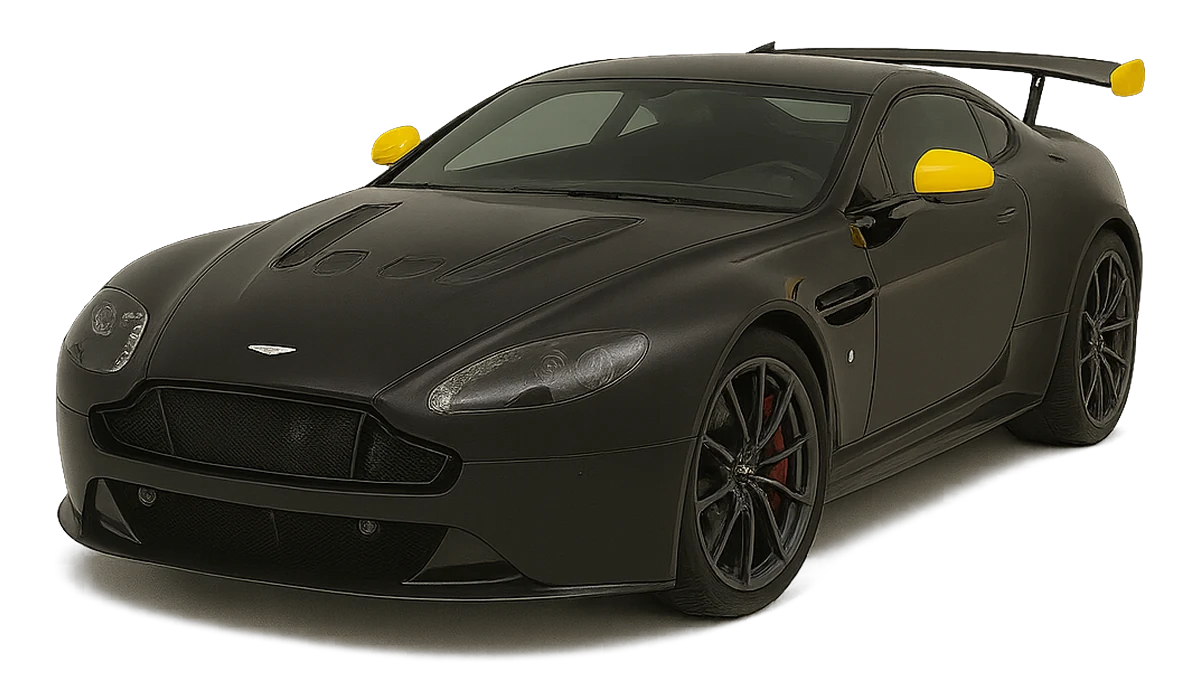
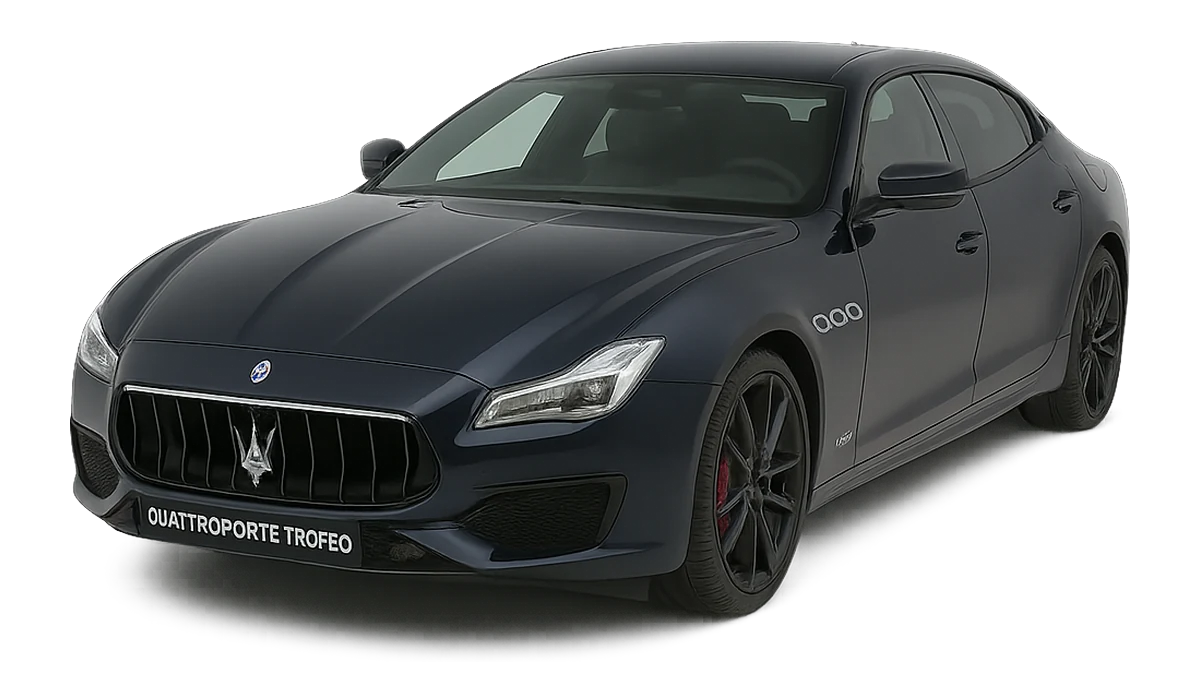
Outside the app, the Ferrari 458 Italia's naturally aspirated flat-plane V8, which revs to 9,000 rpm, and the C8 Corvette Z06's flat-plane LT6 are usually near the top of any list. In the app, the Aston Martin V8 Vantage is worth a listen for its naturally aspirated 4.7-liter V8 and bypass-valve exhaust, which turns a deep idle burble into a hard top-end howl, and the Maserati Quattroporte Trofeo for its deep twin-turbo character.
What to listen for
Start with the idle. A cross-plane V8 idles with an audible lope, an uneven rise and fall in the beat, while a flat-plane idles with a busy, even thrum. Then listen to a full-throttle pull: cross-planes keep a bassy undertone all the way up, while flat-planes lose it and harden into a high, clean scream as rpm climbs. Finally, listen on lift-off. Cars tuned for drama, like the F-Type and the AMG models, crackle and pop on overrun, while others fall quiet almost instantly.
Frequently asked questions
What is the best sounding V8 engine?
It is a matter of taste. Flat-plane fans tend to pick the Ferrari 458 or the Shelby GT350; cross-plane fans pick big naturally aspirated American V8s or the BMW S65.
Do flat-plane V8s sound better than cross-plane?
Neither is better, they are different. Flat-plane V8s sound higher and cleaner because each bank fires evenly, while cross-plane V8s burble because each bank fires unevenly.
Why do turbo V8s sound quieter?
The turbine sits in the exhaust and extracts energy from the pulses, smoothing them out. Manufacturers often add valved exhausts to restore some volume.