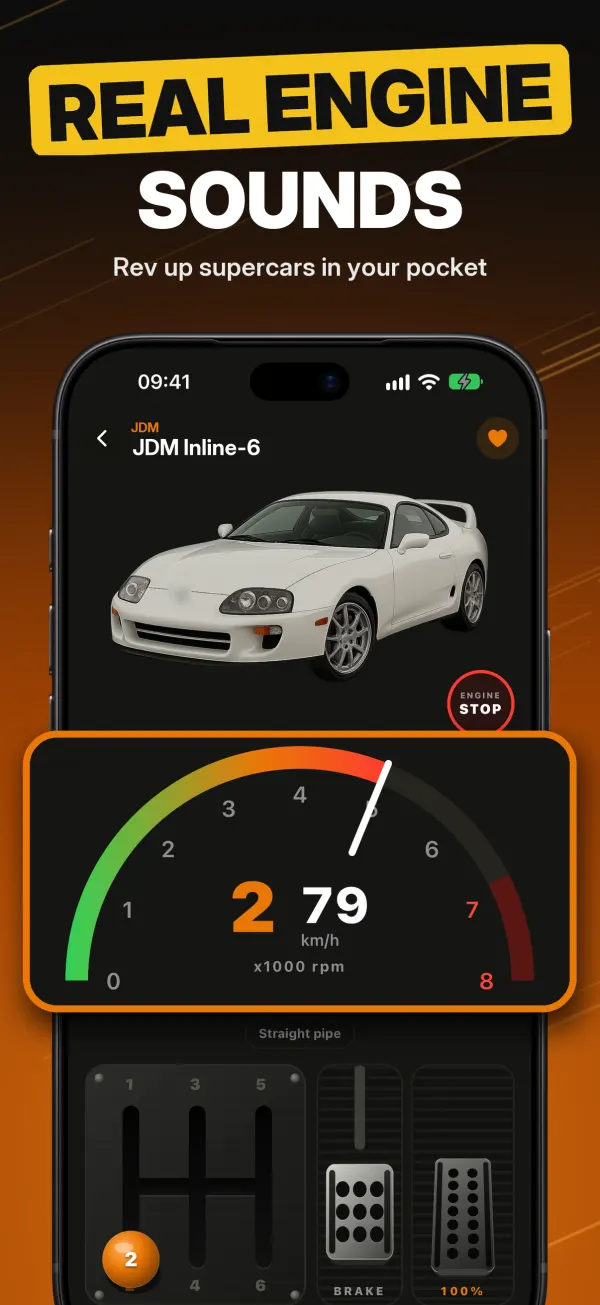

Rev limiter: what it is and why it sounds like that
A rev limiter is a function of the engine's computer that stops the engine from spinning faster than a set speed by briefly cutting fuel or spark. That repeated cutting and restoring is what makes the familiar 'bouncing' rev limiter sound: the engine hits the limit, loses power for a moment, drops a little, recovers and hits the limit again, many times a second.
Updated 2026-10-19
What a rev limiter does
Every engine has a maximum safe speed. Above it, valves can stop following the camshaft, a condition called valve float, and the forces on pistons and connecting rods rise rapidly. The limiter sits at or just above the redline marked on the tachometer and prevents the engine from making enough power to go any faster.
It does not slow the engine down by braking it. It simply removes combustion from some or all cylinders for a short time, so the engine can no longer accelerate. Once rpm falls slightly below the threshold, combustion resumes.
Fuel cut vs ignition cut
Most factory cars use a fuel cut: the injectors stop delivering fuel to some or all cylinders. Nothing burns, so the limiter is relatively quiet, a rapid stutter or flutter rather than explosions. It is also gentle on the exhaust and the catalytic converter.
Many race cars and aftermarket engine computers use an ignition cut instead: fuel is still injected, but the spark is suppressed. The unburned fuel flows into the hot exhaust, where some of it ignites, producing pops and bangs. An ignition cut can respond faster and more precisely, which is why racers like it, but the burning fuel in the exhaust can overheat and damage catalytic converters.
Why it sounds like bouncing
The limiter works in a loop. The engine reaches the limit, combustion is cut, rpm drops a little, combustion returns, and the engine immediately accelerates back to the limit. That happens many times per second. You hear the engine's tone dip and rise in quick succession, a rhythmic 'bap-bap-bap', which is why people describe it as bouncing off the limiter.
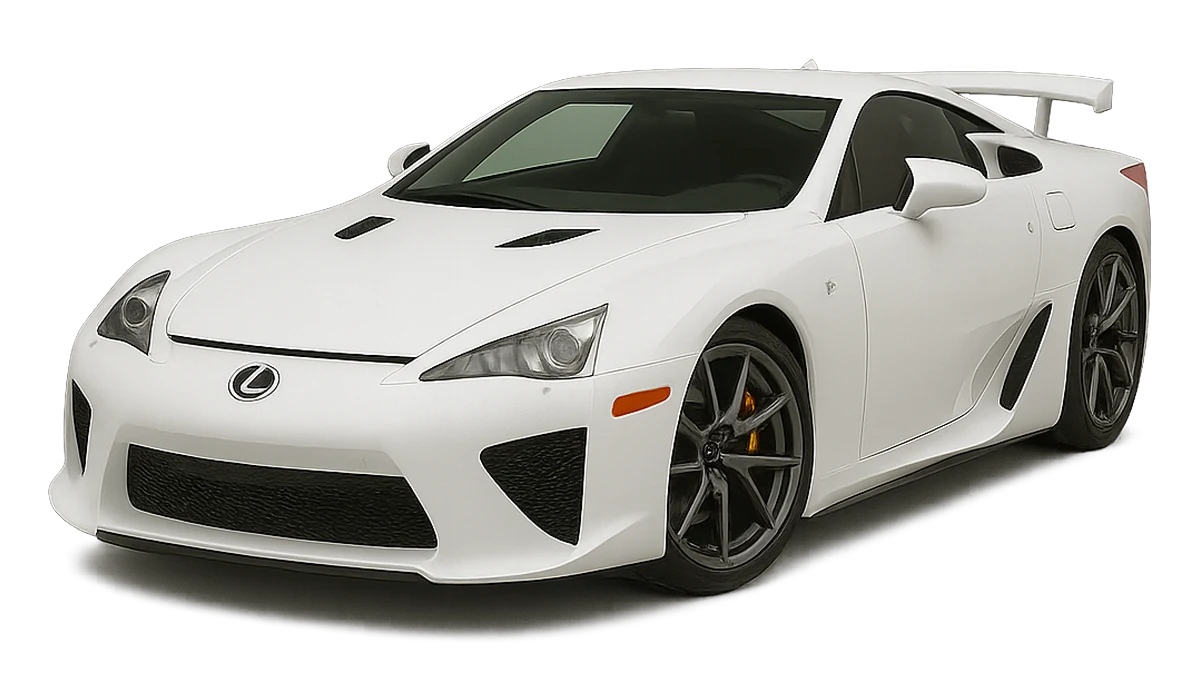
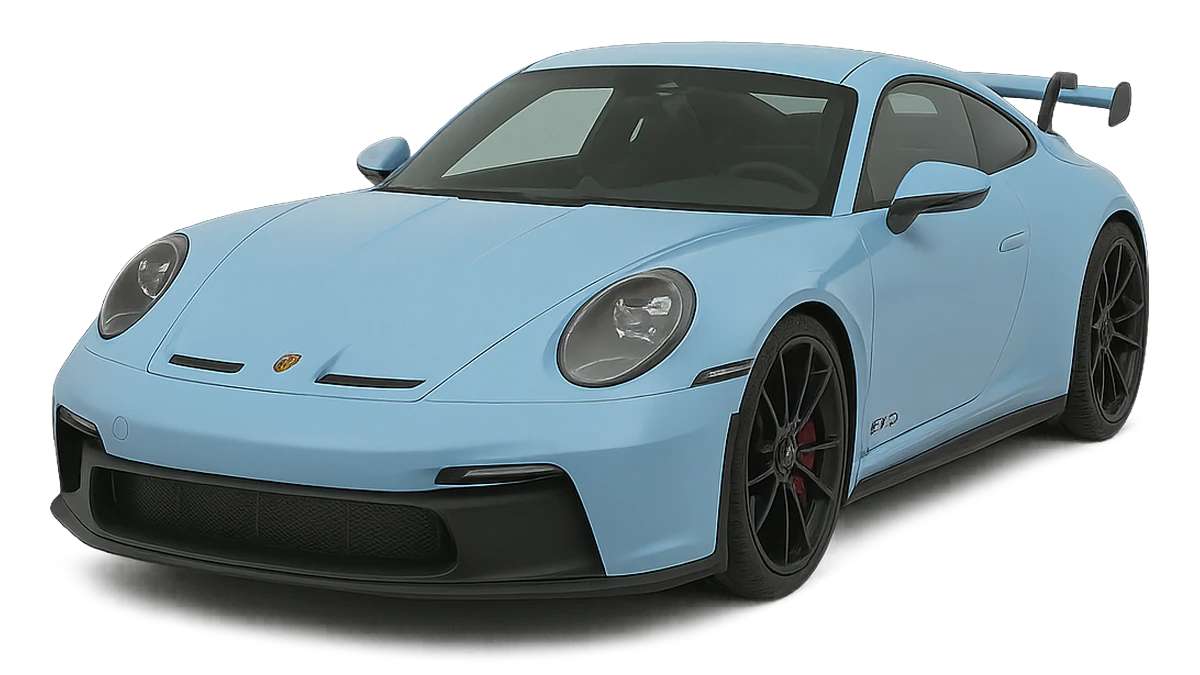
How fast it bounces depends on the engine. Light, high-revving engines like the Lexus LFA's V10 and the Porsche 911 GT3's flat-six lose and regain rpm very quickly, so their limiter is a rapid, sharp chatter. Heavier engines with more rotating mass bounce more slowly. In the Car Sounds app's drive mode you can bounce a car off its limiter and compare; hold it there too long and the simulated engine blows.
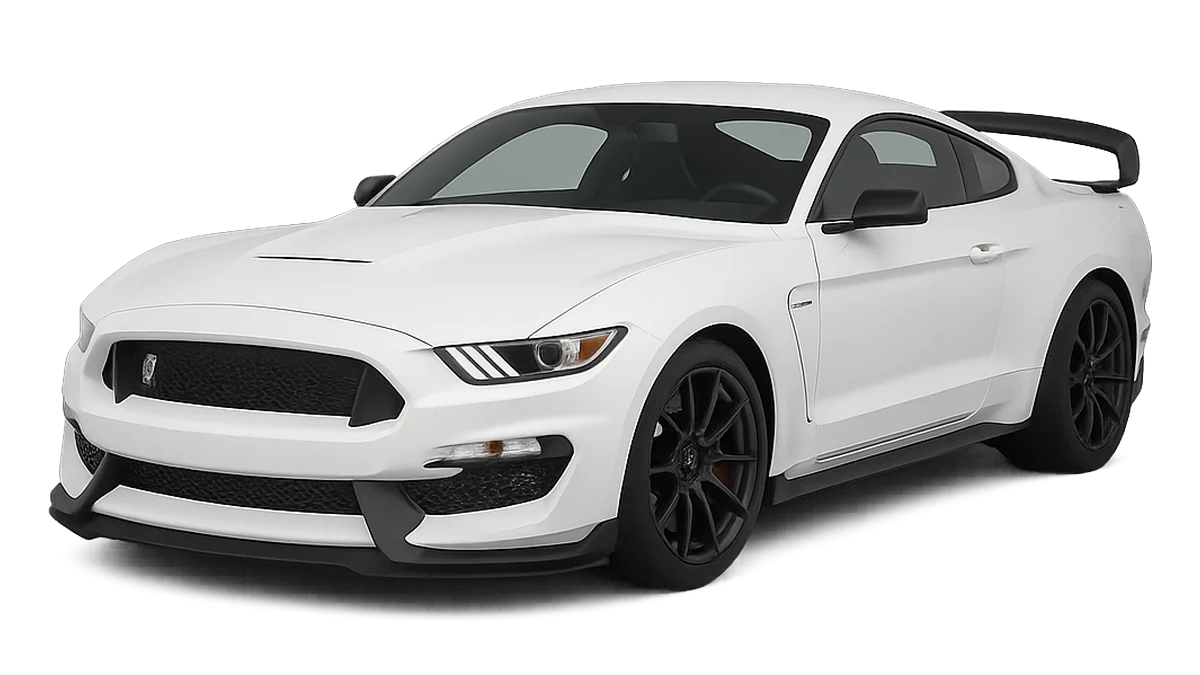
Soft vs hard limiter
A hard limiter cuts combustion fully and abruptly at the limit. It is the classic, aggressive bounce, and it is common on race cars and older or tuned engines. A soft limiter starts intervening shortly before the limit, by cutting only some cylinders or retarding the ignition timing, so power fades gradually and the engine settles at the limit without much bouncing. Many modern road cars use a soft limiter, which is why they can feel like they run out of breath rather than hit a wall.
Many cars also use a lower limit when stationary or in neutral, so the engine cannot be revved to its full redline without load. Launch control and two-step systems are a related idea: a temporary low limit holds the engine at a set rpm for a launch, often with ignition cut, which is where the machine-gun crackle at drag strips comes from.
Why you shouldn't sit on the limiter
Briefly touching the limiter is what it is there for, and it will not hurt a healthy engine. Holding it there is a different matter. You are keeping the engine at its maximum speed with little or no airflow from driving, so heat builds up. Oil and coolant temperatures rise, every component sees maximum stress continuously, and with an ignition cut the unburned fuel can overheat the catalytic converter.
A limiter also cannot protect against everything. If you downshift into too low a gear at speed, the wheels force the engine past its limit no matter what the computer does, and that mechanical over-rev is what really breaks engines. If you want to enjoy the sound without the risk, a recording or a simulator is the safest place to do it.
Frequently asked questions
Is hitting the rev limiter bad for your engine?
Occasionally touching it is harmless; that is its job. Holding the engine on the limiter for long periods builds heat and stress and can damage the catalytic converter on ignition-cut systems.
Why does my car pop on the rev limiter?
Usually because it uses an ignition cut. Fuel is still injected but not burned in the cylinder, so it ignites in the hot exhaust and makes pops and bangs.
What is the difference between a soft and hard rev limiter?
A hard limiter cuts combustion fully at the limit, causing an abrupt bounce. A soft limiter reduces power gradually just before the limit, so the engine settles there more smoothly.