
V8
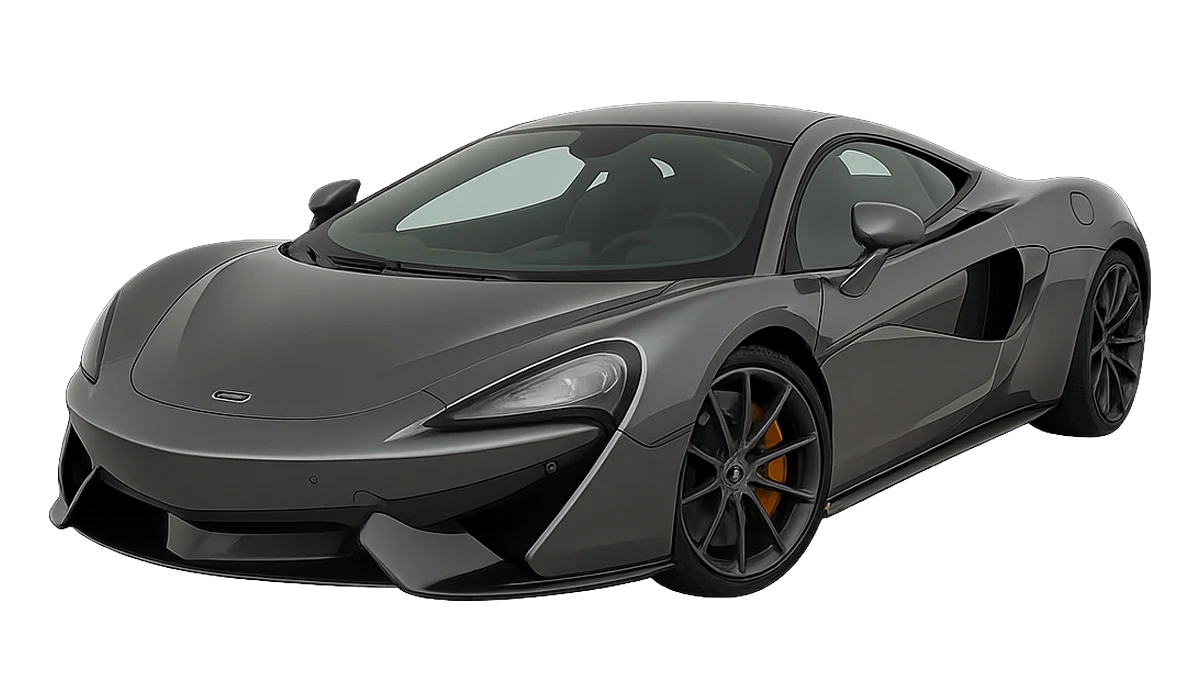
The McLaren 570GT sounds raspy and high-pitched rather than deep and burbly because its 3.8-liter V8 uses a flat-plane crankshaft and revs to 8,500 rpm. Its twin turbochargers smooth the exhaust pulses, though, so it never gets the open, shrieking howl of a naturally aspirated flat-plane engine. Expect a busy, mechanical idle, a hard-edged rasp at high rpm and plenty of turbo noise in between.
In a flat-plane V8 the crank pins sit 180 degrees apart, and the engine fires alternately from one bank to the other. Each exhaust bank therefore receives evenly spaced pulses, which removes the lumpy, off-beat burble of a cross-plane V8 and replaces it with a flatter, harder rasp.
A V8 fires four times per crank revolution, so at the 8,500 rpm redline the M838TE produces about 567 firing pulses per second (the firing frequency shown above). Peak power of 562 hp (570 PS) arrives at 7,500 rpm, so the engine is happiest and loudest in the top third of the rev range.
Each turbocharger's turbine sits directly in the exhaust stream and absorbs much of the energy in each pulse before it reaches the tailpipes. That softens the sharp edges of the sound and lowers the volume, leaving a broader, more muted rasp. In exchange you get turbo sounds that an atmospheric engine does not make: spool, whoosh, and chatter as the boost is released between shifts.
The M838TE family is known more for its performance than for its music. It is effective and very fast-revving for a turbo engine, but compared with naturally aspirated flat-plane V8s it sounds more industrial and less tuneful, which is a common point of debate among McLaren fans.
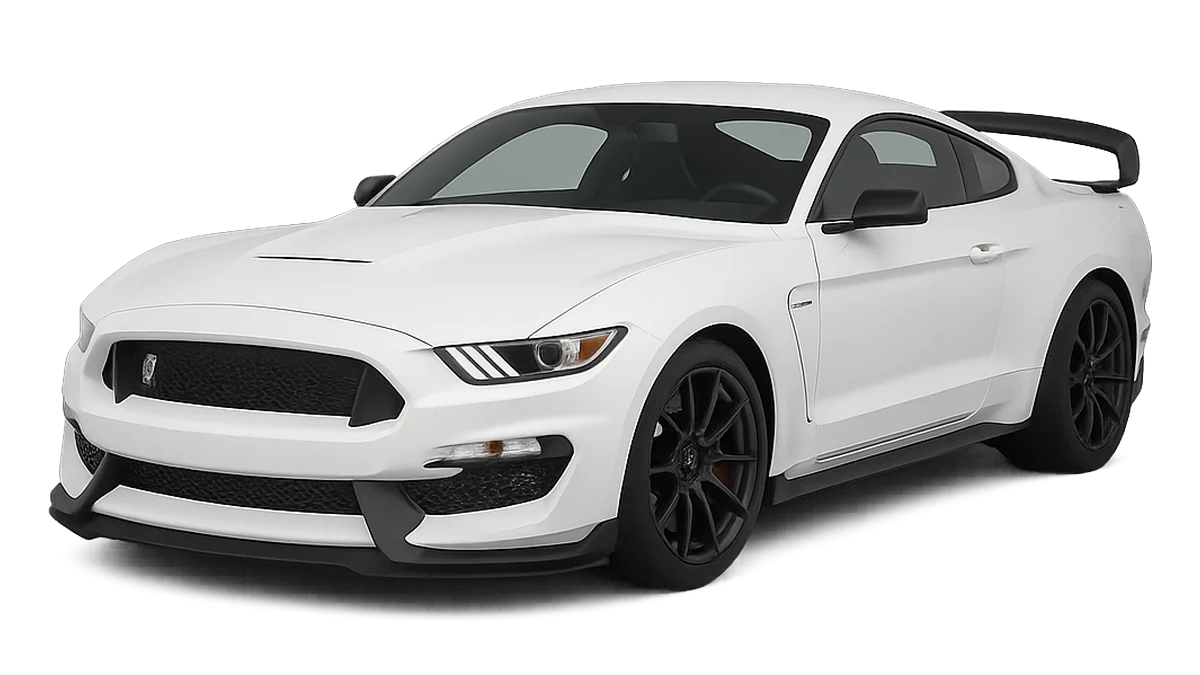
The 570GT shares its engine and power output with the 570S. The GT is the more comfort-oriented, long-distance version of McLaren's Sports Series, with a glass rear hatch over a luggage shelf, so the core engine sound is the same family even if the car around it is tuned for touring. For a naturally aspirated flat-plane V8 to compare against, listen to the Shelby GT350 in the app, which keeps the even rasp but adds a sharper, unfiltered top end.
A 3.8-liter twin-turbo V8 with a flat-plane crankshaft, known as the M838TE. In the 570GT it makes 562 hp (570 PS) and revs to 8,500 rpm.
Not much. Both use the same engine with the same power output, so the core sound is very similar. The GT is set up for comfort and touring rather than for a louder or harsher note.
The Mustang's V8 uses a cross-plane crankshaft, which sends unevenly spaced pulses to each exhaust bank and creates the classic burble. The McLaren's flat-plane crank fires the banks alternately, giving each side even pulses and a smoother, raspier sound.
This sound is in the app