
V8
5 more Shelby Mustang GT350 sounds and Drive mode are in the free app.
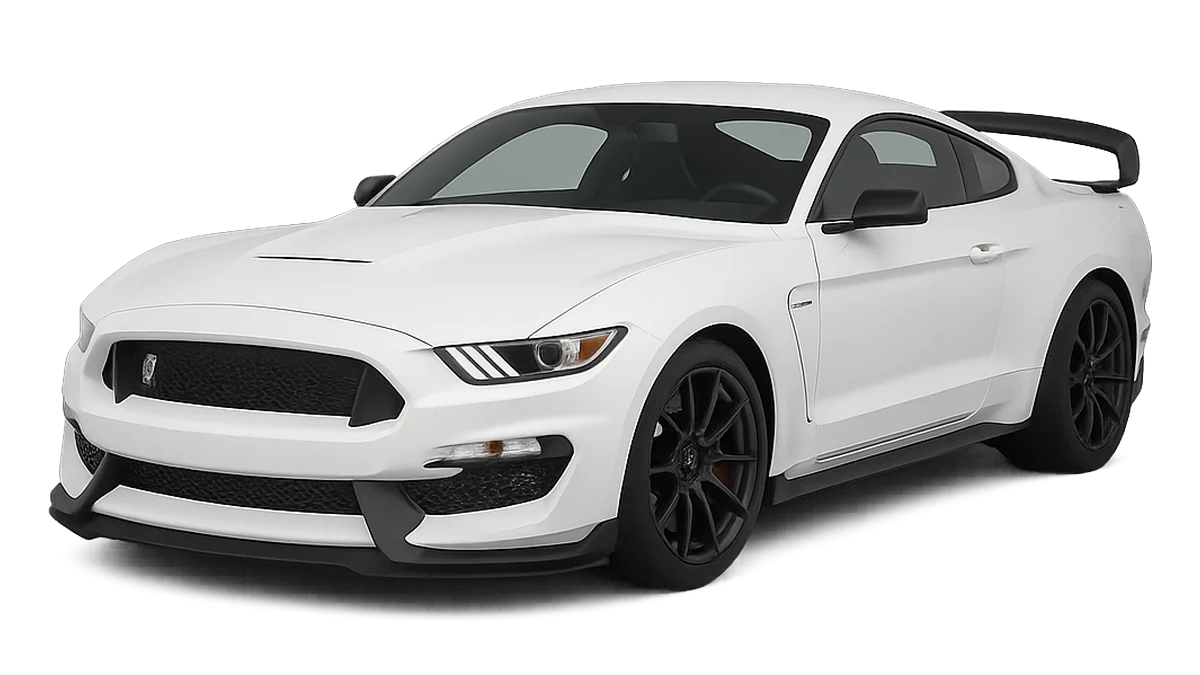
Unlock all sounds freeThe Shelby GT350 sounds unlike any other Mustang because its 5.2-liter Voodoo V8 uses a flat-plane crankshaft, which trades the familiar muscle-car burble for a harder, higher-pitched howl that keeps building to an 8,250 rpm redline. The start, idle, rev and drive recordings below come from the Car Sounds app, so you can hear exactly where that character comes from.
Most American V8s, including the regular Mustang GT, use a cross-plane crank with the crankpins spaced 90 degrees apart. That layout is smooth, but it makes each cylinder bank fire at uneven intervals, and those uneven pulses are the lumpy, off-beat burble people associate with muscle cars.
The Voodoo puts its crankpins 180 degrees apart, so firing alternates evenly from one bank to the other. Each bank's exhaust now receives evenly spaced pulses, and the engine behaves acoustically like two four-cylinders sharing one crank. The result is a tighter, raspier note with far less lope, closer in character to European flat-plane V8s than to anything else Ford sold at the time.
The flat-plane layout also lets the Voodoo breathe and rev. Peak power of 526 hp arrives at 7,500 rpm, and the engine pulls cleanly past that toward the limiter, which is why GT350 clips get more interesting the longer the driver holds a gear. As revs climb, the firing frequency shown above rises quickly and the note shifts from a gravelly growl into a sharp, almost metallic wail.
The car pairs that engine with a six-speed manual only, so every upshift brings a short, clean break in the sound followed by the engine dropping back into its midrange bark. The exhaust uses active valves, which keep things relatively civil at low load and open up for the full flat-plane rasp.
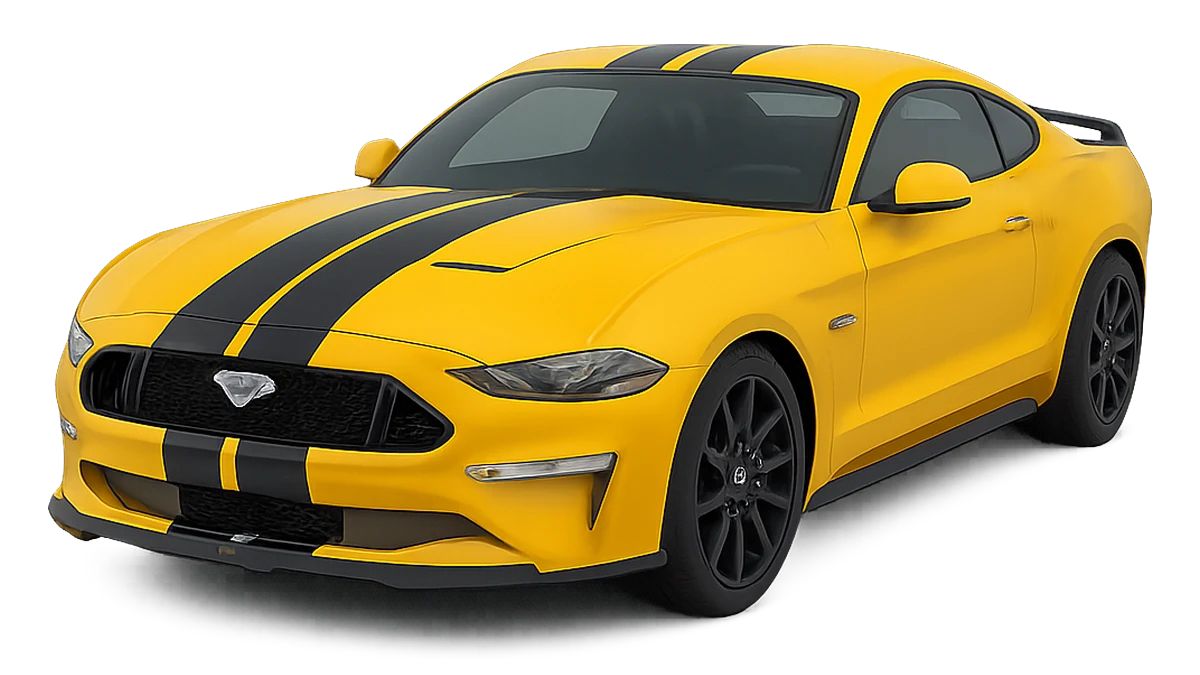
Put the two back to back and the difference is obvious. The Mustang GT's 5.0-liter Coyote has a cross-plane crank and a deeper, wobblier idle with the classic V8 rumble. The GT350 idles with a busier, more even beat and sounds angrier the higher it goes, where the Coyote sounds strongest in the low and middle revs. Neither is better; they are two very different ideas of what a Mustang V8 should be.
Its 5.2-liter Voodoo V8 uses a flat-plane crankshaft, so cylinders fire evenly from bank to bank. That removes the uneven burble of a cross-plane V8 and produces a higher, raspier sound.
The Voodoo V8 redlines at 8,250 rpm, with peak power of 526 hp arriving at 7,500 rpm.
Yes. The GT350 and GT350R both use the flat-plane 5.2-liter Voodoo V8, which is the main reason they sound so different from the cross-plane Mustang GT.
This sound is in the app