
Inline-4 · turbocharged
4 more Subaru Impreza WRX STI sounds and Drive mode are in the free app.
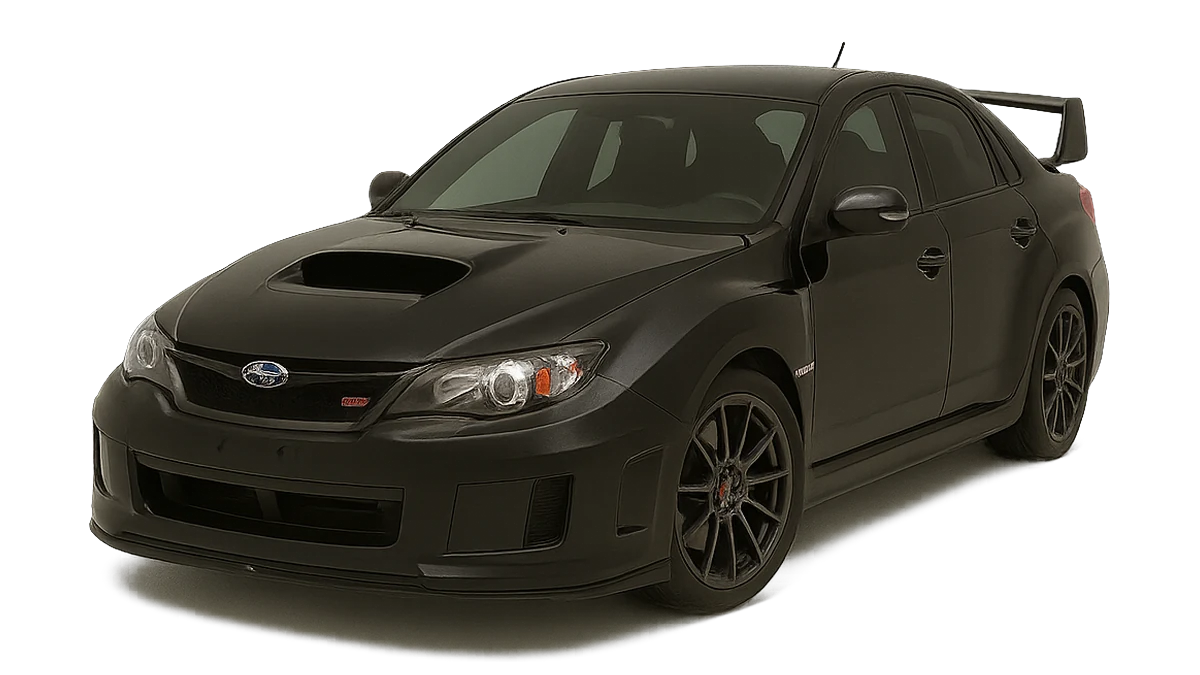
Unlock all sounds freeThe Subaru Impreza WRX STI sounds lumpy and uneven at idle, with the famous boxer rumble, and turns into a gruff growl with turbo whoosh as the revs rise, because its EJ257 flat-four uses unequal-length exhaust headers that deliver exhaust pulses to the turbo at uneven intervals. The engine itself fires evenly; the off-beat sound is created by the exhaust plumbing.
In a boxer engine the cylinders lie flat in two opposed banks. The EJ257 fires in the 1-3-2-4 order, alternating between banks, and the combustion events are evenly spaced. If the exhaust pulses traveled equal distances, the result would be a fairly smooth four-cylinder note.
The EJ257 in the US-market STI uses unequal-length headers, so pulses from some cylinders travel farther before they merge and reach the turbo. They arrive in an uneven rhythm, and that irregular spacing is what you hear as the burbling, off-beat rumble. Subaru's later FA-series engines moved to equal-length headers, which is why newer WRX models sound smoother.
The rumble is strongest at idle and low rpm, where the gaps between pulses are long enough to hear individually. As the revs climb, the pulses come faster and blend together, and the note turns into a harder, gruffer growl. The single turbocharger also takes some energy out of the exhaust, adding a whistle and intake rush under boost.
This generation of the STI was rated at 305 hp in the US and drives all four wheels through a six-speed manual. The four-door sedan version arrived for the 2011 model year alongside the existing hatchback.
STIs are popular with tuners, and common upgrades such as a turbo-back exhaust, a larger turbo or a catless downpipe make the rumble much louder and add crackles and blow-off valve noise. Some owners fit equal-length headers to gain response, which removes most of the rumble. Recordings may come from modified cars, so the sound can differ from a factory example.
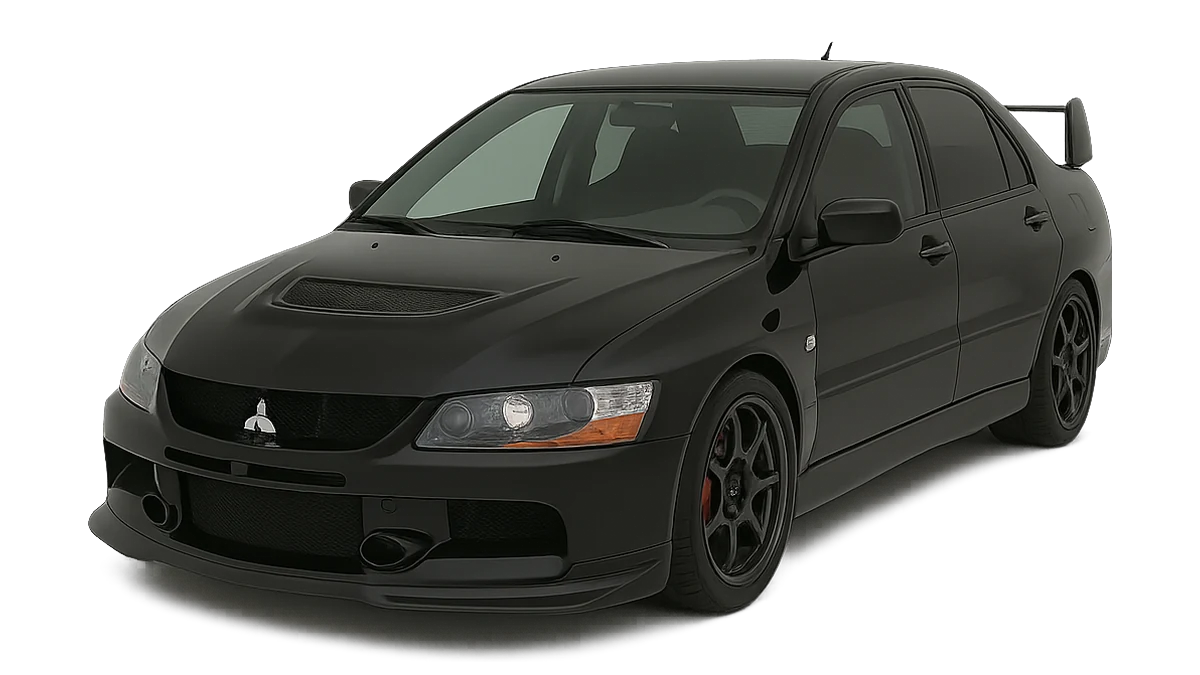
Its old rival, the Mitsubishi Evo, uses an inline-4 with evenly spaced pulses and sounds smoother and buzzier, without the Subaru's lope.
The classic Subaru rumble comes from unequal-length exhaust headers on the boxer engine, which deliver exhaust pulses at uneven intervals. The engine fires evenly; the exhaust layout creates the off-beat sound.
No. The rumble is strongest on EJ-engined cars with unequal-length headers, including the US-market STI. WRX models with the newer FA-series engines use equal-length headers and sound smoother.
The US-market car uses the EJ257, a 2.5-liter turbocharged flat-four rated at 305 hp for this generation.
This sound is in the app